A chest drain may be withdrawn to correct a malposition but should never be pushed further in. Re-expansion pulmonary oedema Typical clinical signs of re expansion pulmonary oedema include shoulder tip pain, coughing, a sudden drop of blood pressure and/or oxygen saturations and increased respiratory rate and distress. Complications of chest drains A survey exploring which complications of chest drains are the most frequent or the most troublesome for patients and staff.

As someone who may have experience looking after a chest drain, we would be very grateful if you could consider completing our survey. Introduction: Digital thoracic drainage systems are a new technology in minimally invasive thoracic surgery. However, the criteria for chest tube removal in digital thoracic drainage systems have never been evaluated.
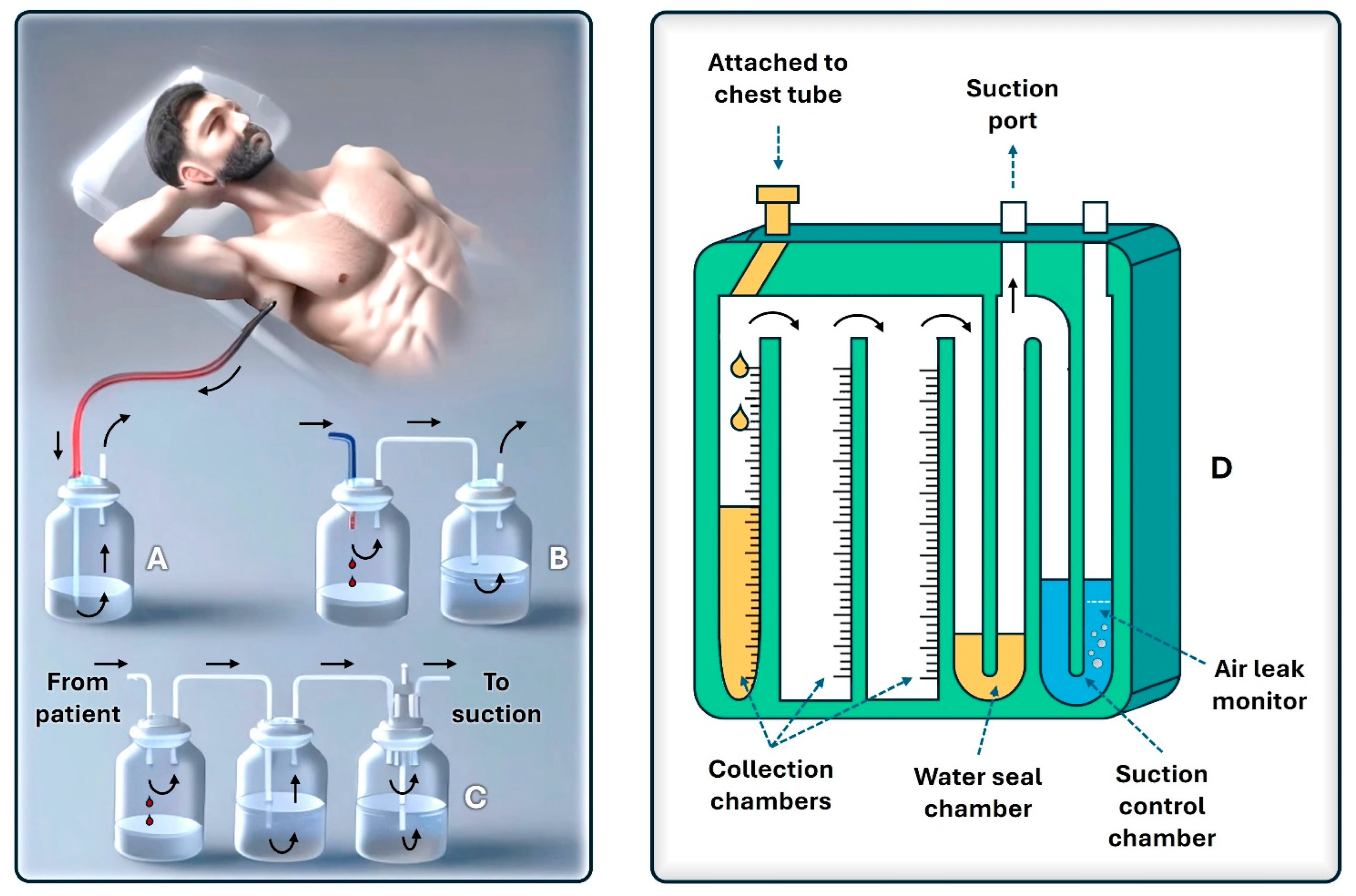
Chest tube care: Nursing - Osmosis Video Library
We aim to investigate the. The complication rates and their severity after drain insertion (particularly the so called Trocar drains) are well studied [34]. This textbook recommends and therefore explains the blunt dissection technique for the placement of a chest drains as a result of these studies.

A chest tube can help drain air, blood, or fluid from the pleural space, which is the space surrounding your lungs. Inserting a chest tube is called a chest tube thoracostomy. Poor drainage may lead to an infection.

Chest tube drainage & Thoracocentesis... ( Muscle pierced during ...
In the literature, the true danger hasn't borne itself out yet. For those with isolated primary spontaneous pneumothorax, a fissural placement is more likely than a pleural chest tube to require another tube but has not been found to cause a difference in side effects or length of hospital stay. [13].

Draining fluid from the lungs, medically referred to as thoracentesis or pleural fluid drainage, is a procedure performed to remove excess fluid from the pleural space - the area between the lungs and the chest wall. While it can provide significant relief for patients with respiratory distress, it is a serious medical procedure that demands attention to the underlying cause and potential. A guide for the nurse looking after the critically ill patient with a chest drain.
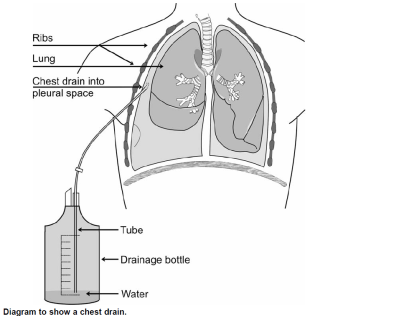
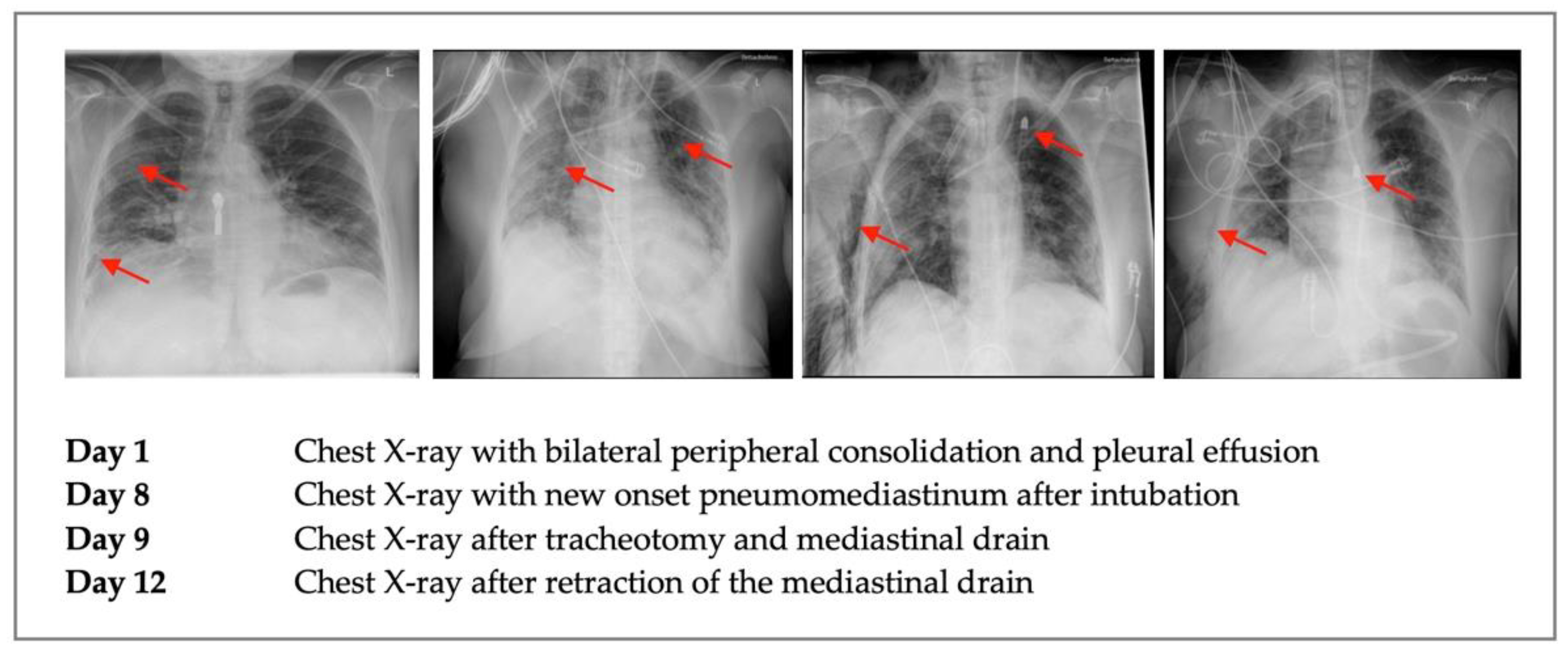
Chest Drain | Chest X-Ray - MedSchool
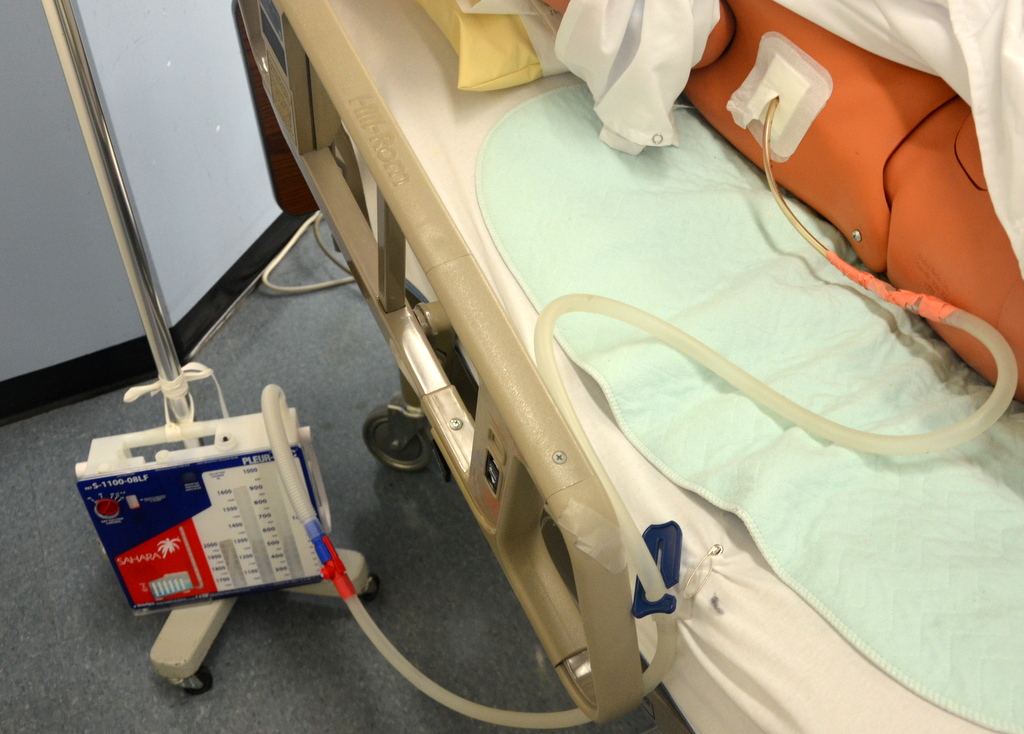
Indications, insertion and management. A chest drain lets fluid or air leave your body and helps your breathing. about having a chest drain and looking after it.
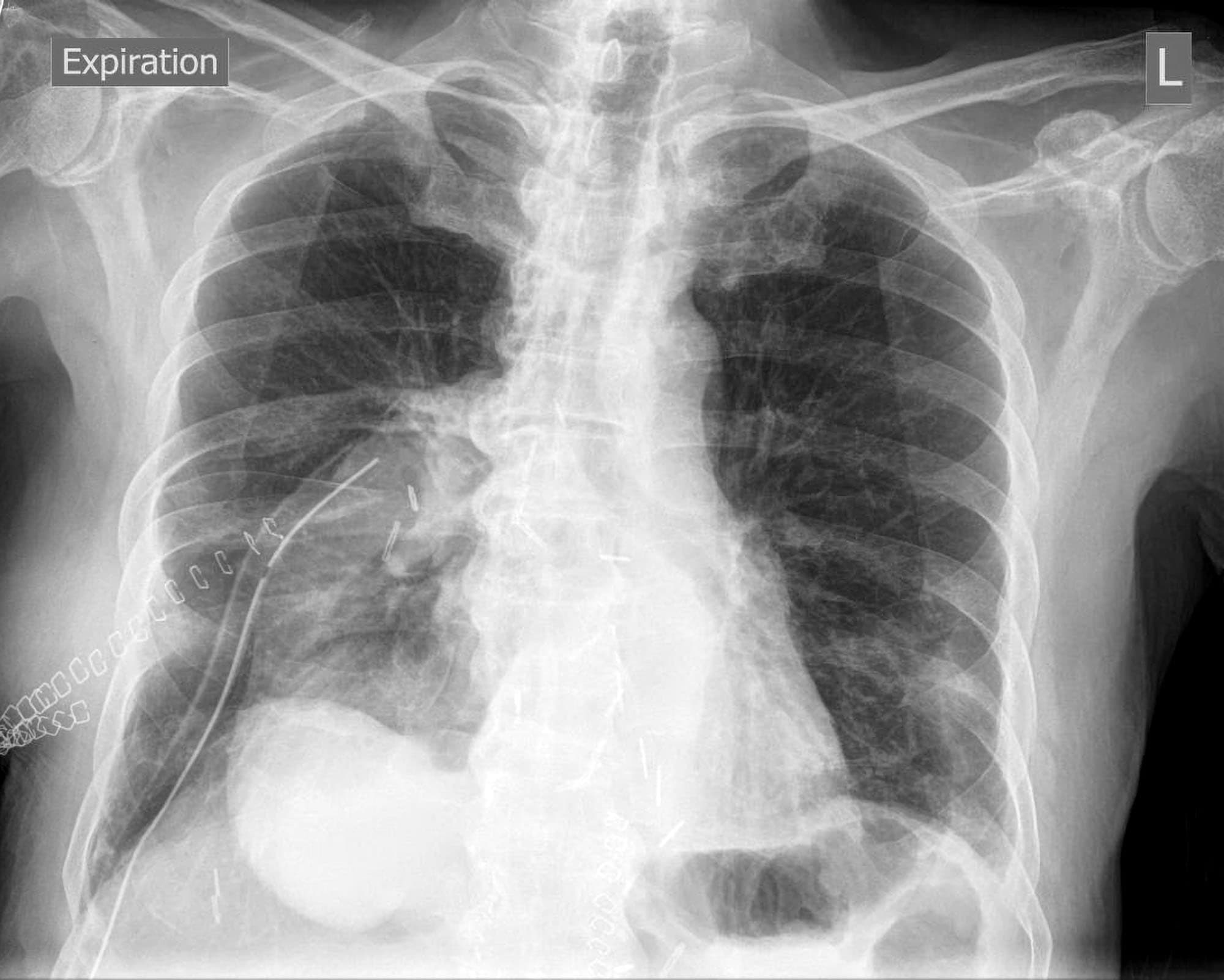
A chest drain allows the fluid or air to drain out of this space so that your lung re-expands, making your breathing easier. Sometimes medications need to be given directly into the space through the drain. What are the possible risks or complications?