Penrose drain - Flat, soft drain used after procedures on reproductive organs, bowel or rectum. Chest tube - Stiffer tube to drain air or fluid from chest cavity after heart/lung surgery. How long should surgical drains stay in? There is no set timeframe for how long surgical drains should remain in place after a procedure.
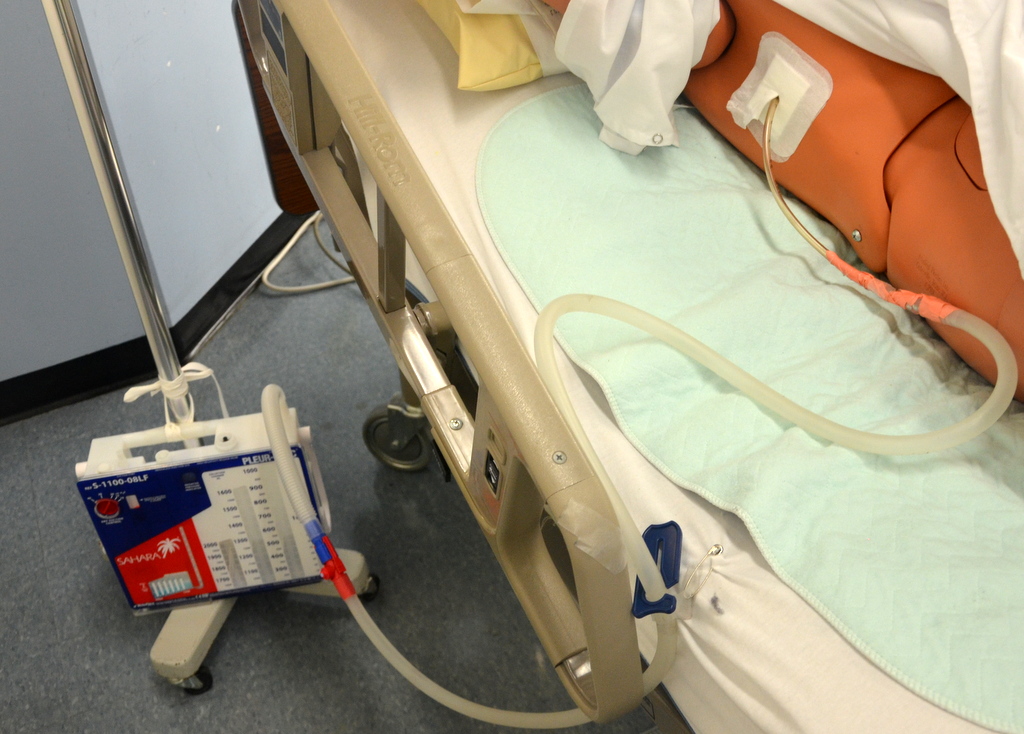
The drain will need to stay in place for as long as it's needed, which is usually at least 24 hours. After it's removed you'll need to have an x. Download and print as a PDF (407kB pdf) On this page What is a chest drain? What is my injury? Will these injuries require a chest drain? What happens during the procedure? Will it hurt? Are there any risks during the procedure? How will the drain be attached? How long will the drain stay in? Who will look after my chest drain? Important things to know about your chest drain How will the drain.
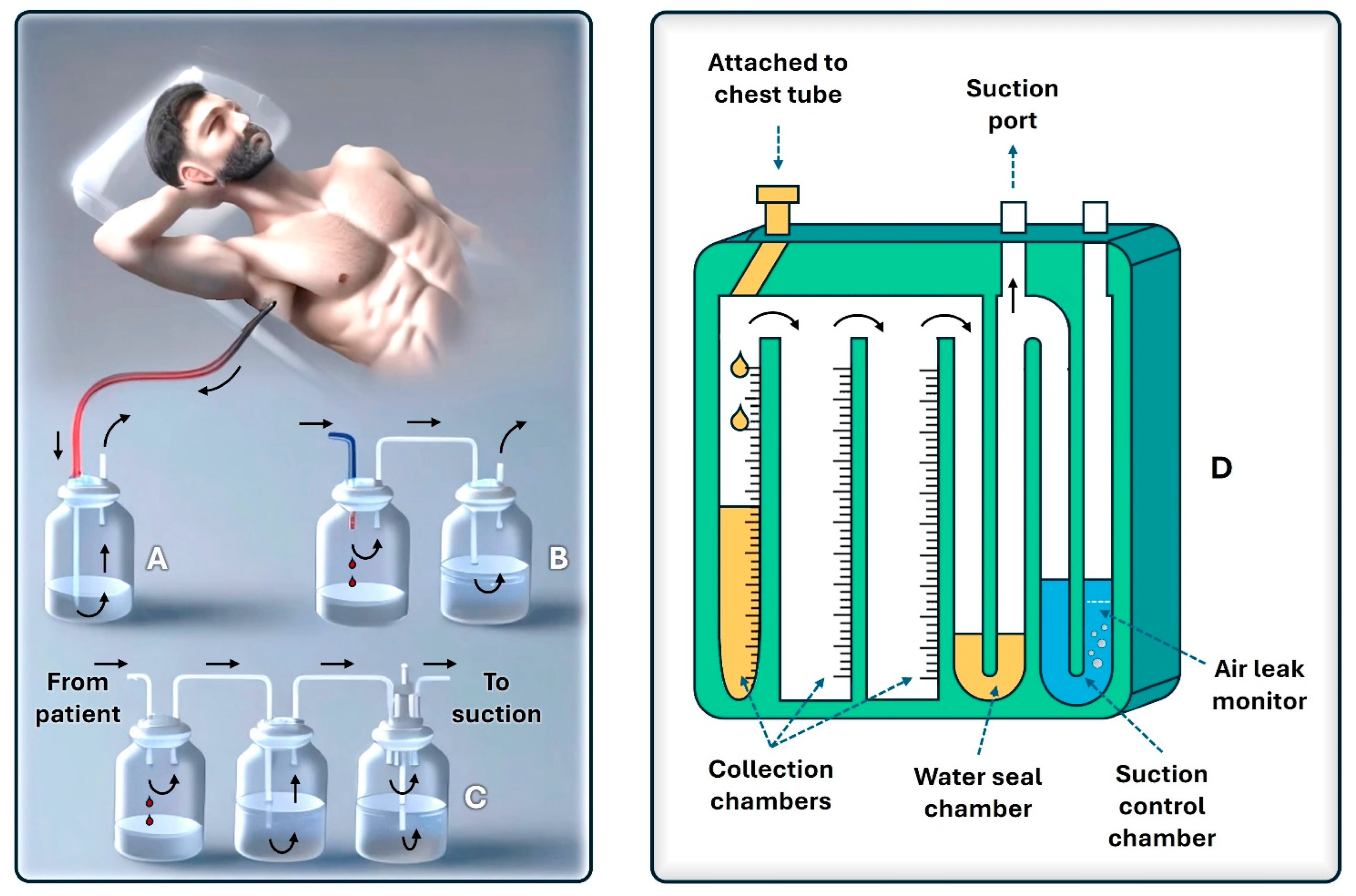
Insertion of a Chest Drain - North Tees and Hartlepool NHS Foundation Trust
Utilizing digital drainage with a strict air leak protocol helps to minimize drain duration post lung resection. The future landscape of chest drain management should focus on the usage of chest drains on an as required basis for air leak, even for anatomic lung resection. Chest drain duration has a key influence on recovery post.
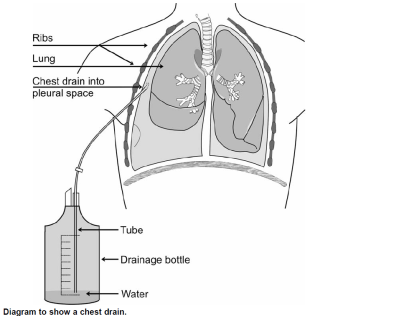
Caring for your chest drain Caring for your chest drain This booklet will help you understand why you need a chest drain and how to care for it. Bring this guide with you on the day of your procedure, if planned in advance. This booklet was developed by the McGill University Health Centre (MUHC) Surgical Recovery (SURE) working group.
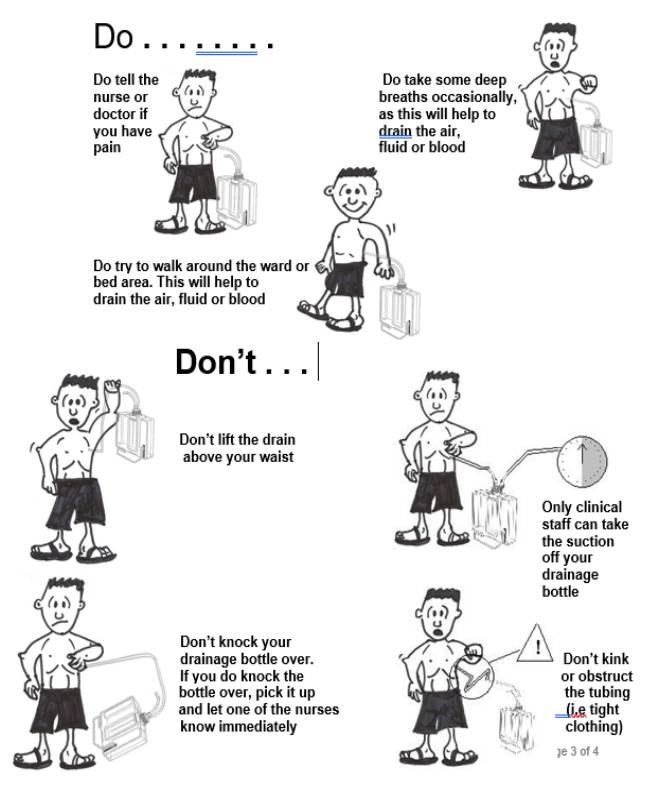
Chest drain insertion | CUH
The Thoracic and Upper Gastrointestinal surgery and the. Retained drain during removal If the tube fractures during drain removal and remnants of the tubing are left within the patient contact the treating team immediately (Initiate MET call as needed or if patient becomes unstable). An urgent chest x.

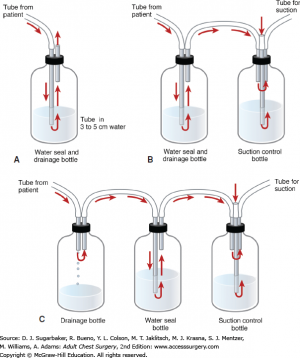
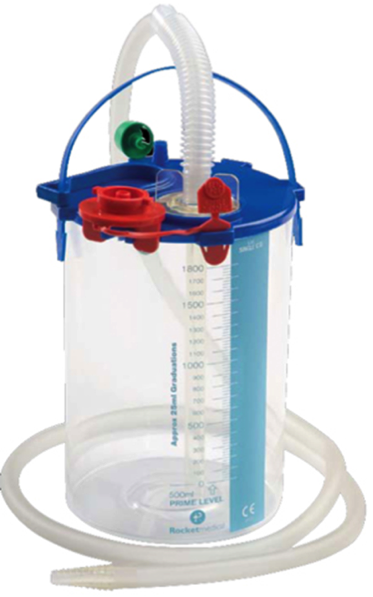
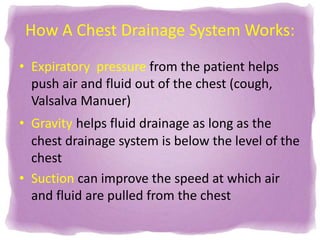
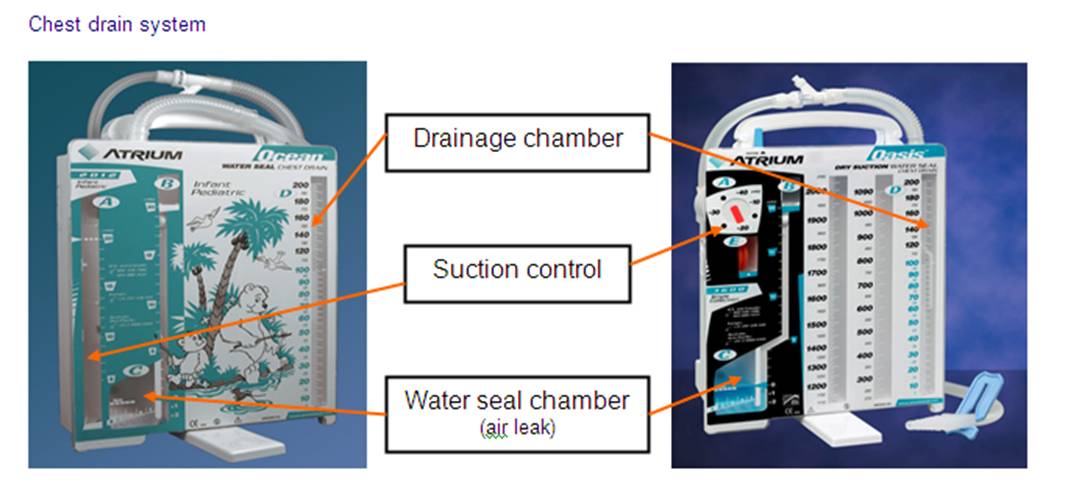
A chest drain is a tube inserted through the chest wall between the ribs and into the pleural cavity to allow drainage of air (pneumothorax), blood (haemothorax), fluid (pleural effusion) or pus (empyema) out of the chest. In any one patient it is essential to understand what the drain is trying to achieve. The effective drainage of air, blood or fluid from the pleural space requires an.

Chest drains - University Hospitals Sussex NHS Foundation Trust
This article provides information about how long a chest drain is typically left in place, including factors that might affect the duration of drain placement and what to expect during the removal process. The chest tube will allow this liquid or air to leave the body. Also you may also need to have treatment given to the pleural space and the chest drain would allow this.
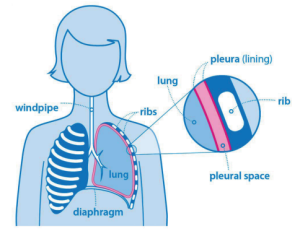
Your doctors and nurses will be able to explain whether air or liquid (or both) is the problem in your case and why it needs treating with a chest drain.