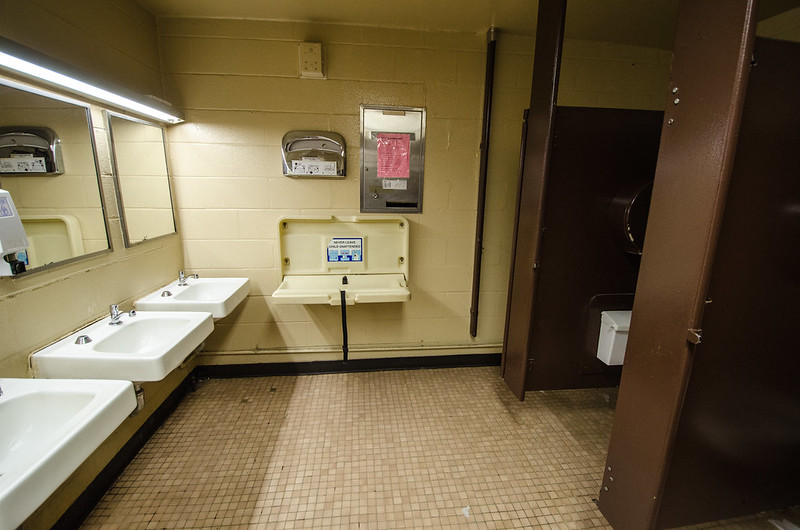
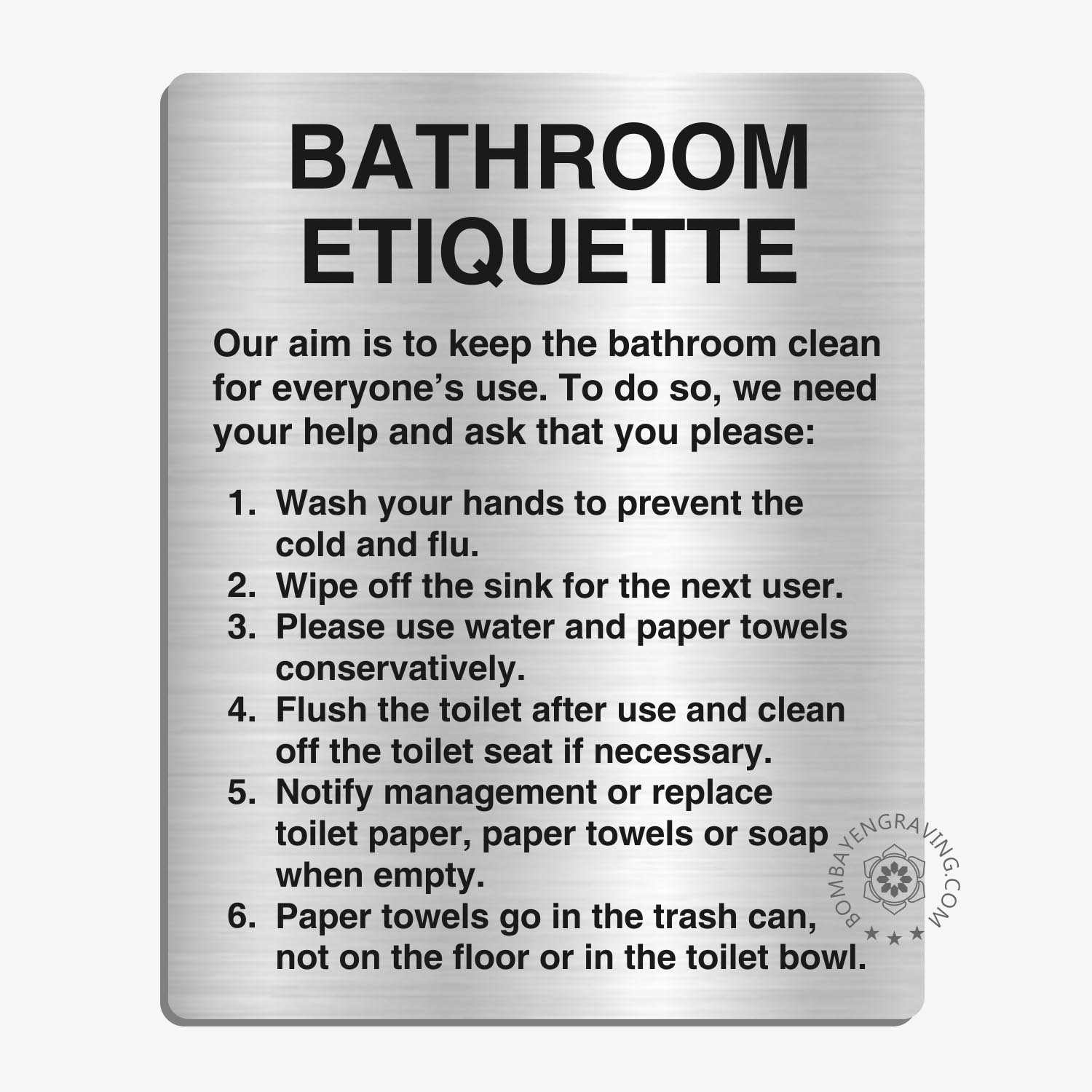
(C) No restroom facility, by reason of being made available to a customer pursuant to this section, shall be considered a public facility for the purpose of laws or regulations that generally govern facilities available to the public. Overview Highlights Employers must maintain restrooms in a sanitary condition. Restrooms must provide hot and cold running water or lukewarm water, hand soap or similar cleansing agent and warm air blowers or individual hand towels (e.g., paper or cloth).

Waterless hand cleaner and towels/rags are not adequate substitutes for soap and water. Additionally, H 421 (2024) regulates gender by defining "sex" throughout state law in ways that allow for discrimination against transgender people, setting a dangerous precedent for future or further state or municipal bans on bathroom or facilities use. Gender Identity Nondiscrimination Laws in Public Accommodations: a review of evidence regarding safety and privacy in public restrooms, locker rooms, and changing rooms.

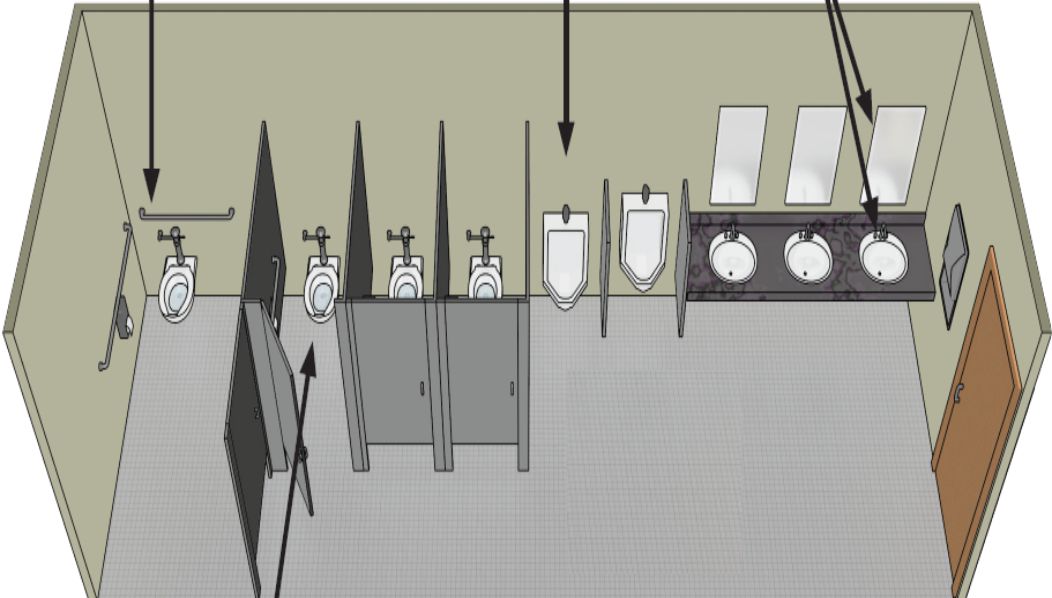
Ada Bathroom Compliance Guidelines
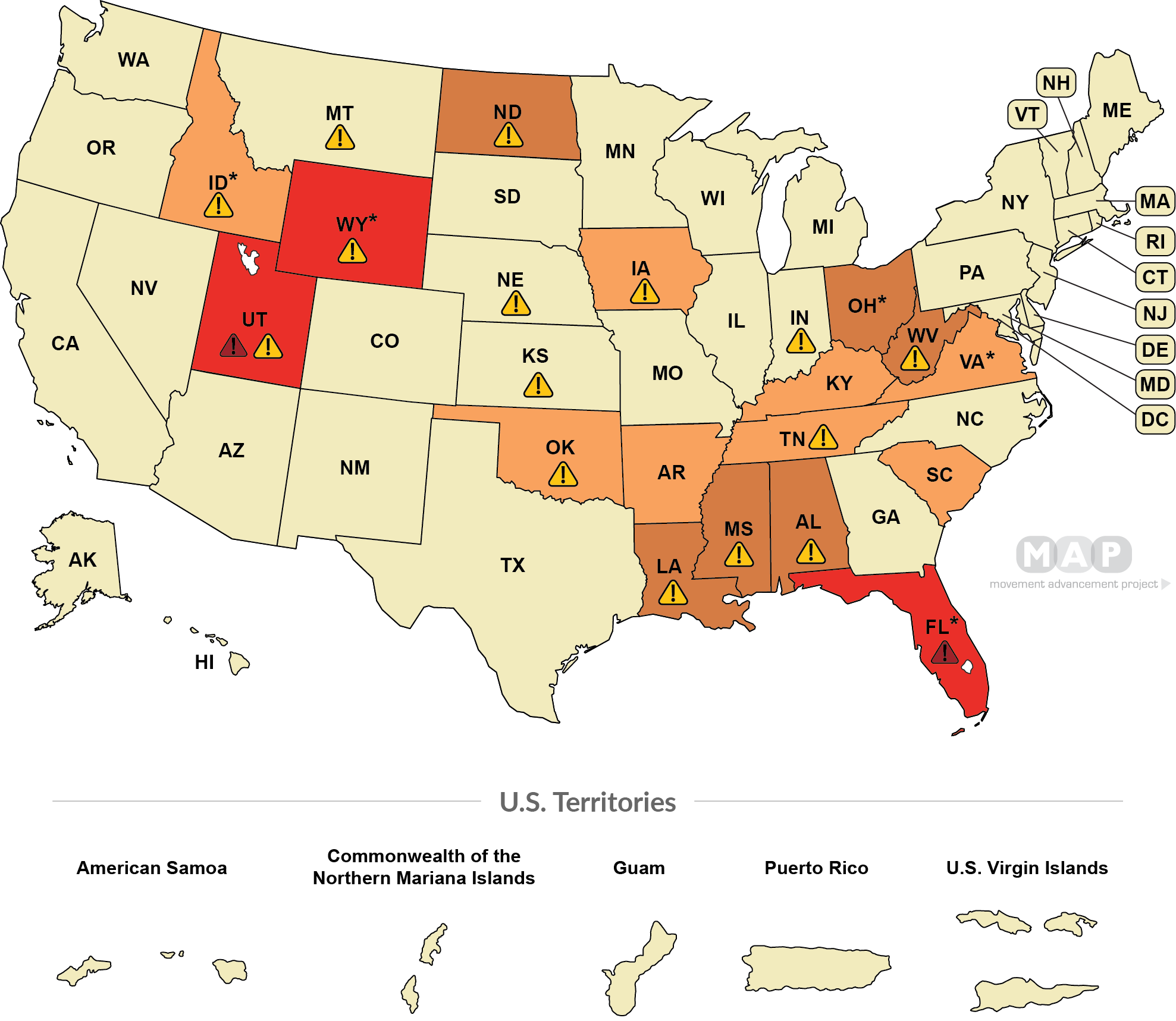
Abstract Since 2021, numerous states in the United States (U.S.) have enacted legislation restricting public bathroom and facilities access based on an individual's sex assigned at birth. On November 20, 2024, the Transgender Day of Remembrance, U.S. House Speaker Mike Johnson implemented a rule restricting the use of bathrooms, changing facilities, and locker rooms in the Capitol and House.
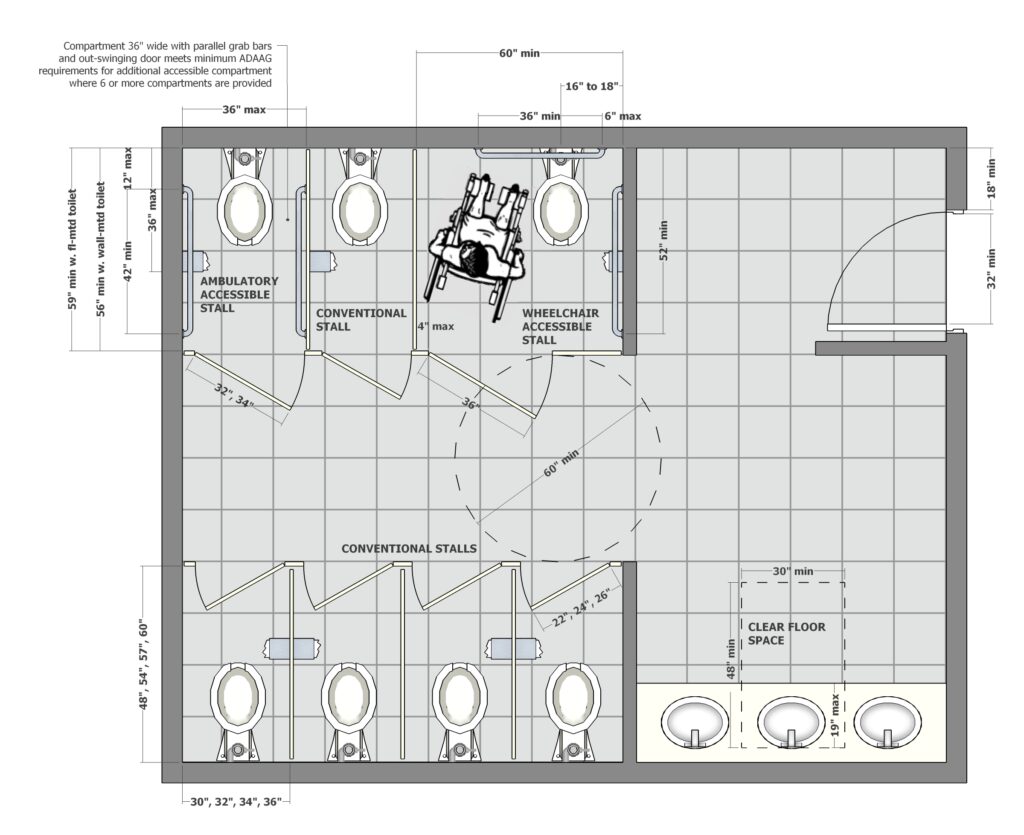
Discover key regulations for modern public restrooms in 2024, ensuring accessibility, hygiene, and safety for all users. Stay informed today! Explore essential public restroom rules and regulations. Learn about hygiene standards, accessibility requirements, and legal guidelines for maintaining compliant and safe restroom facilities.
Creating Bathroom Access & a Gender Inclusive Society | Othering ...
Such A-1, A-1c, A-2, or A-2f permit holders are required to have toilet facilities that meet the remaining requirements of this rule. (2) Water-flushed toilets, if the permit premises are located in a place where a public water supply and a public sewage system are available. These laws prohibit transgender people from using bathrooms and facilities-such as locker rooms, shower rooms, changing rooms, and other sex-segregated spaces-according to their gender identity in certain circumstances or places.
All of these policies apply to K-12 school settings, and some apply even more broadly to other government. January 1, 2017 Promulgated Under: 119.03 PDF: Download Authenticated PDF (A) To comply with minimum standards of habitability: (1) Toilet facilities shall be constructed, located, and maintained in a sanitary condition so as to prevent any nuisance or public health hazard.