Explore ancient Roman Baths through great photos and drawings. I look at the architecture, routines, sanitation, water quality, fees, and many other aspects. Roman baths were much more than mere bathing facilities; they were integral to ancient Roman society, serving as places of hygiene, socialization, and even healing.
These magnificent structures were meticulously designed, with grand architectural features that showcased the prowess and opulence of the Roman Empire. Aqueduct water supplied public baths, latrines, fountains, and private households; it also supported mining operations, milling, farms, and gardens. Aqueducts moved water through gravity alone, along a slight overall downward gradient within conduits of stone, brick, concrete or lead; the steeper the gradient, the faster the flow.
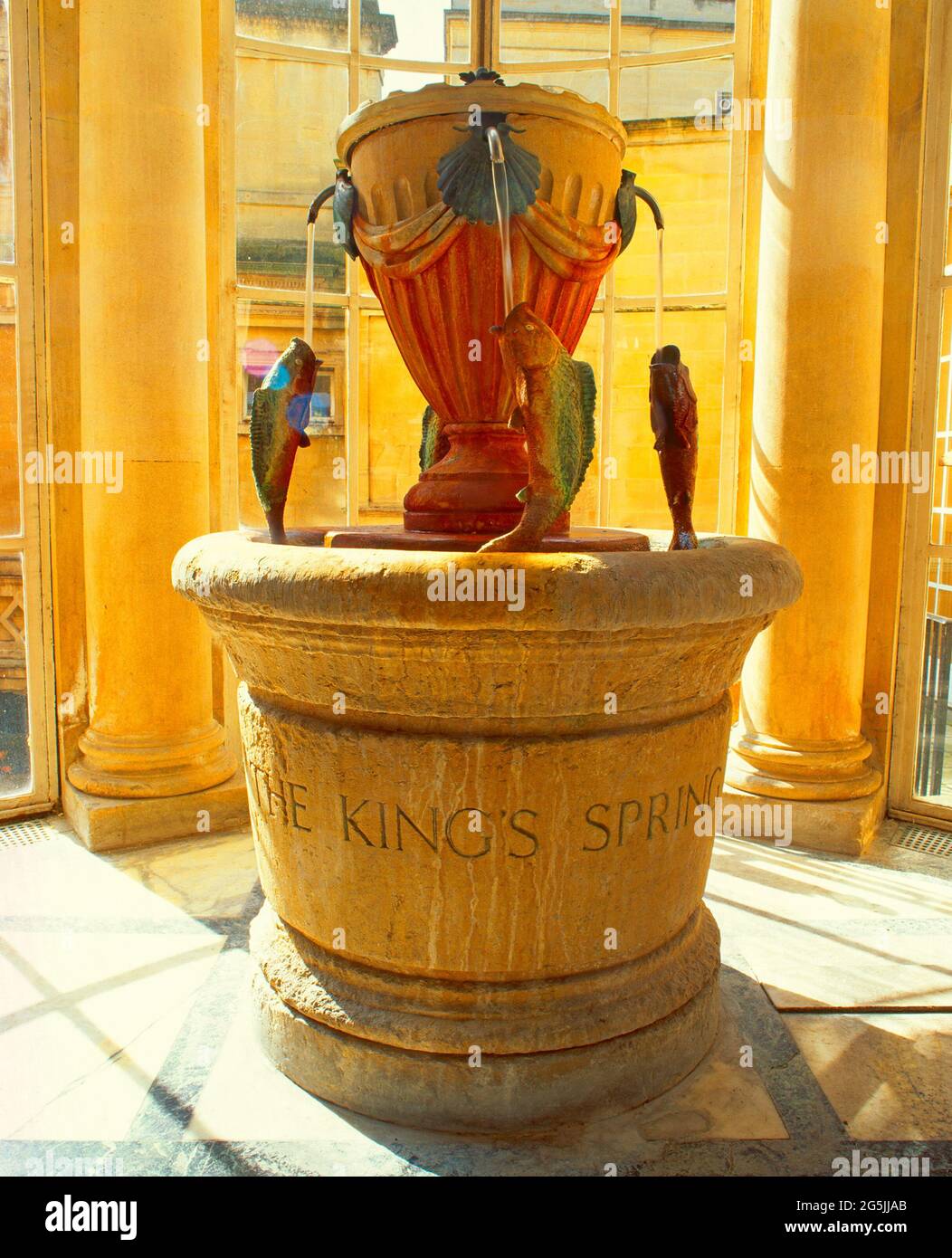
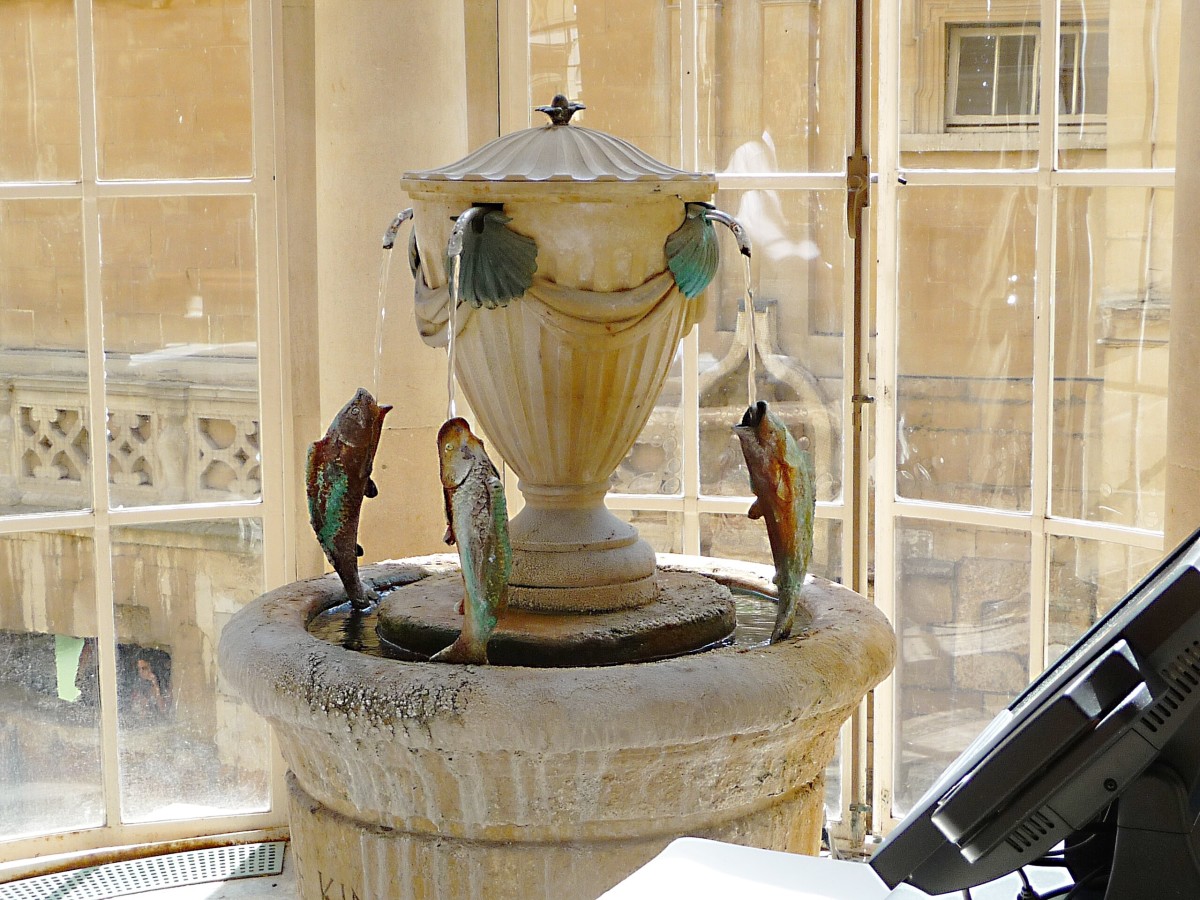
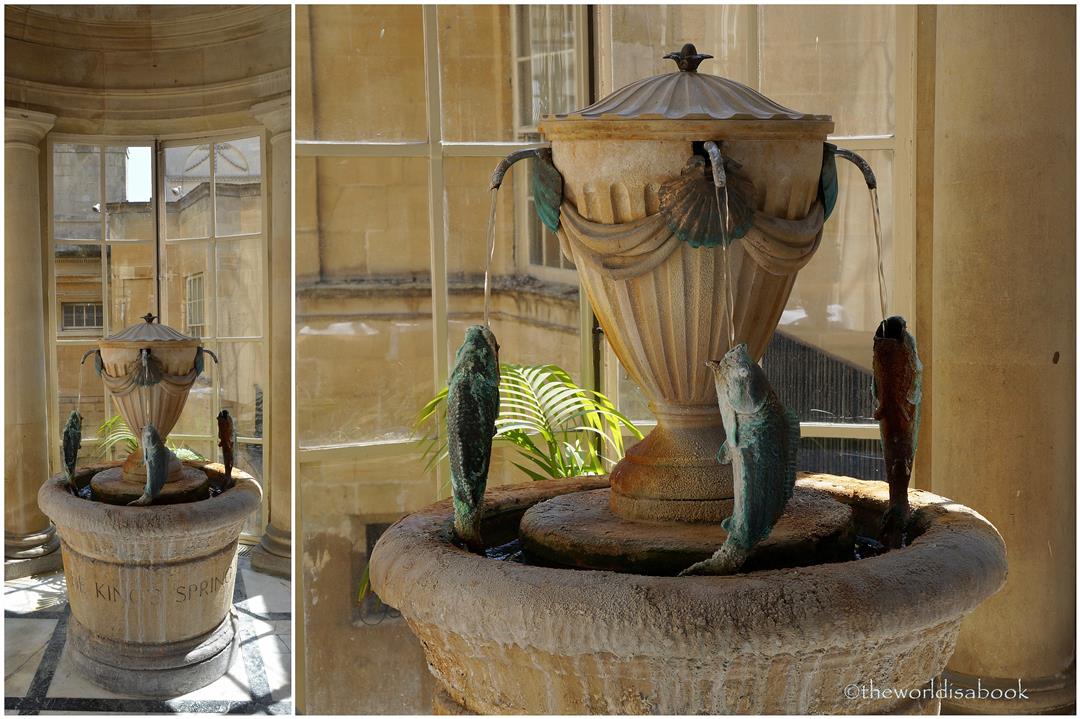
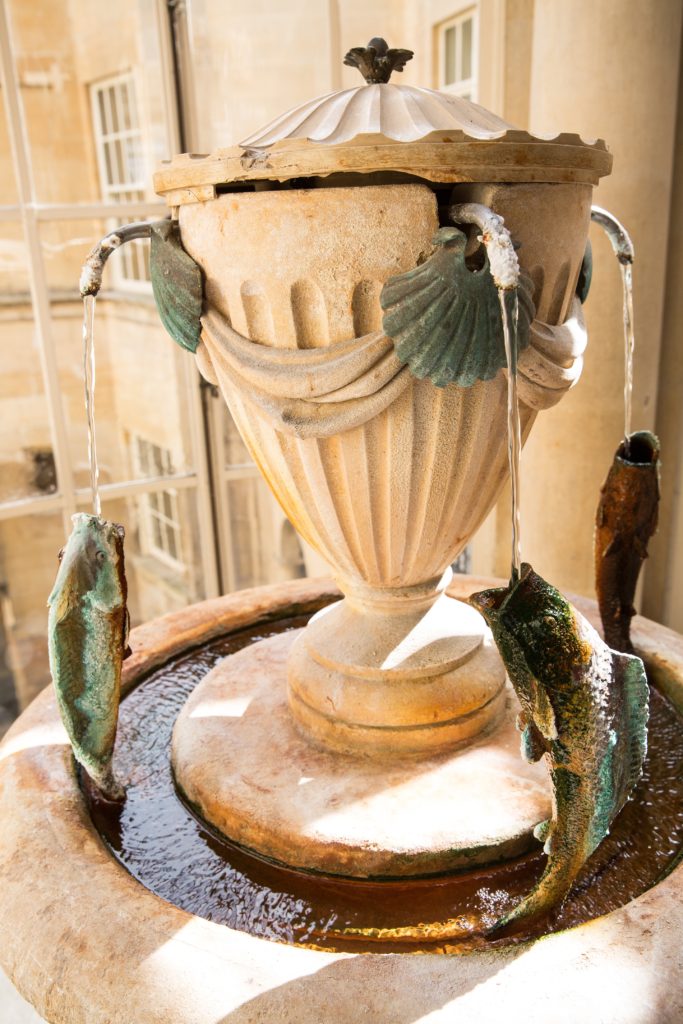
The Kings Spring Water Fountain inside the Pump Room at Bath Roman ...
Remains of the Baths of Trajan, Rome Bathing played a major part in ancient Roman culture and society. It was one of the most common daily activities and was practiced across a wide variety of social classes. [1][2] Though many contemporary cultures see bathing as a private activity conducted in the home, bathing in Rome was a communal activity.
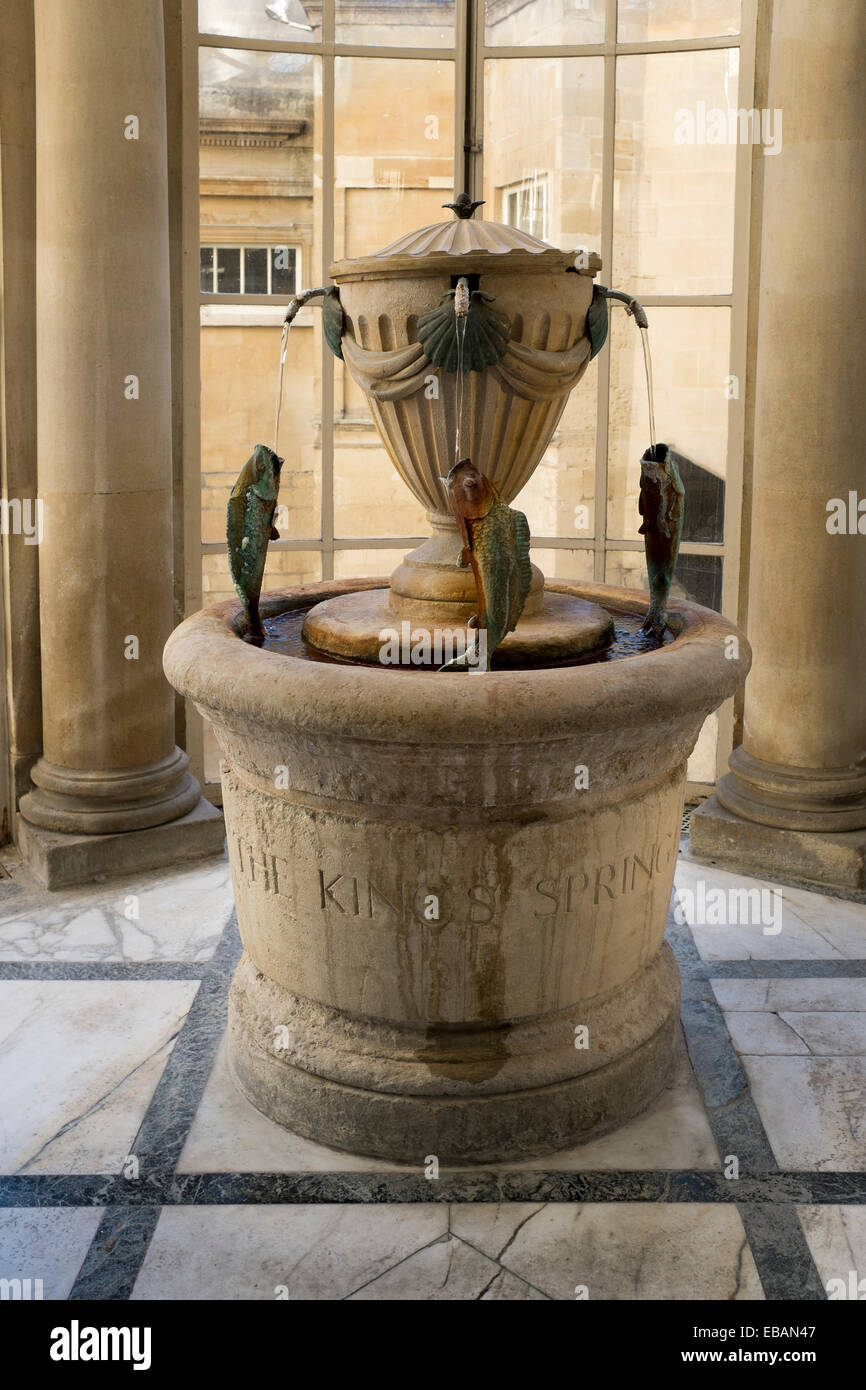
Roman baths were designed for bathing and relaxing and were a common feature of cities throughout the Roman empire. Baths included a wide diversity of rooms with different temperatures, as well as swimming. Discover the elegance and history of a Roman bathtub in our comprehensive guide.

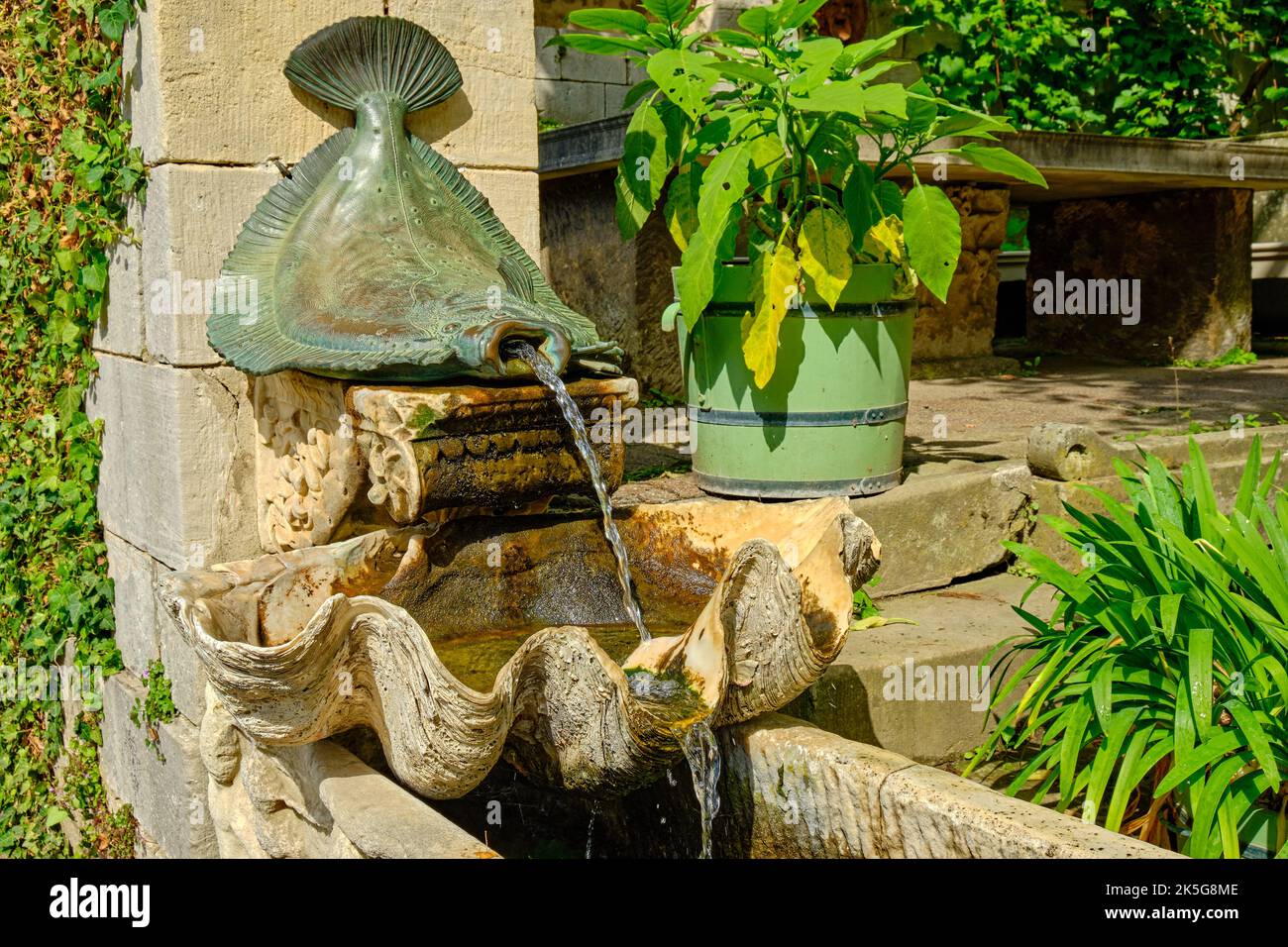
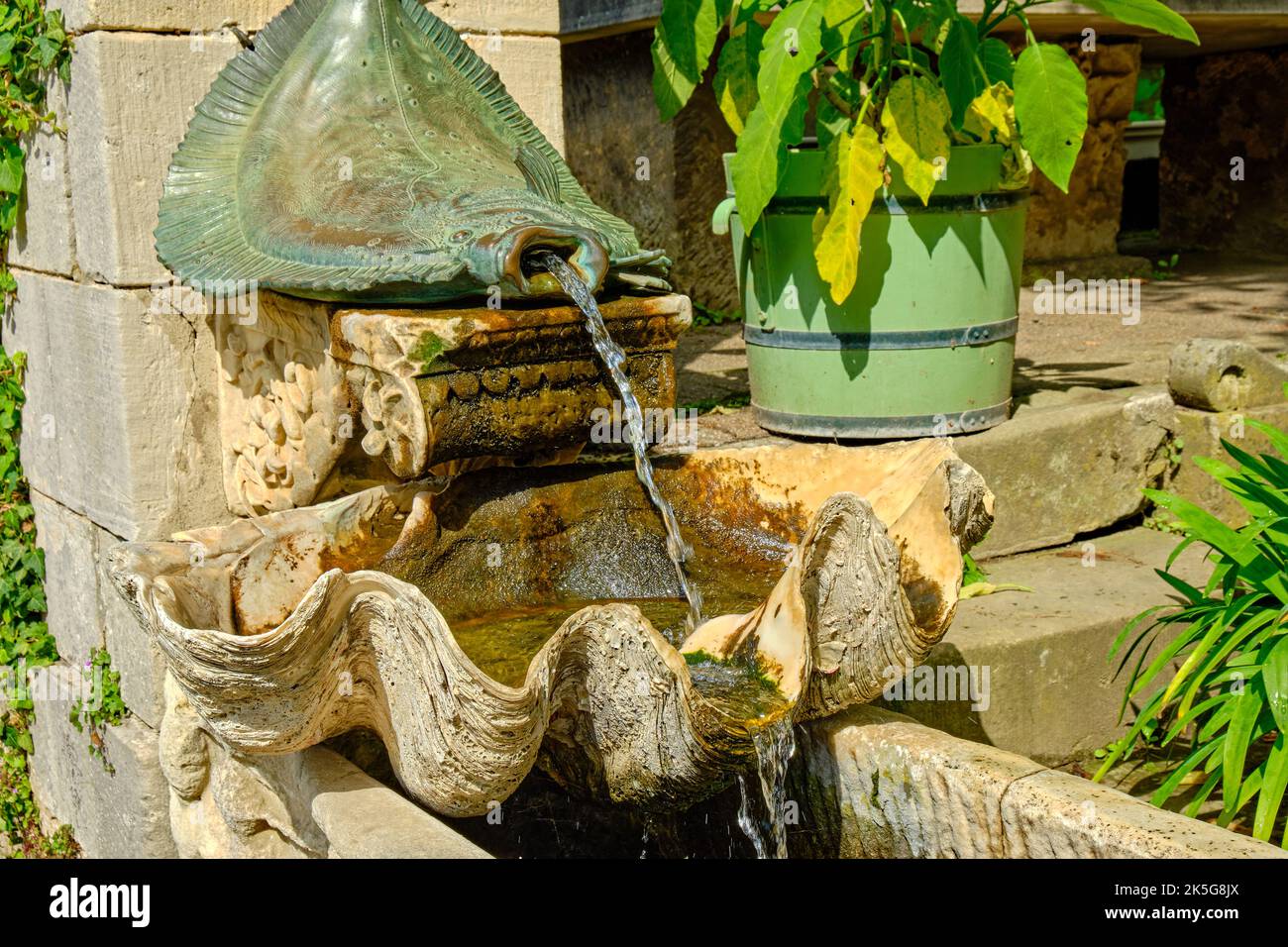
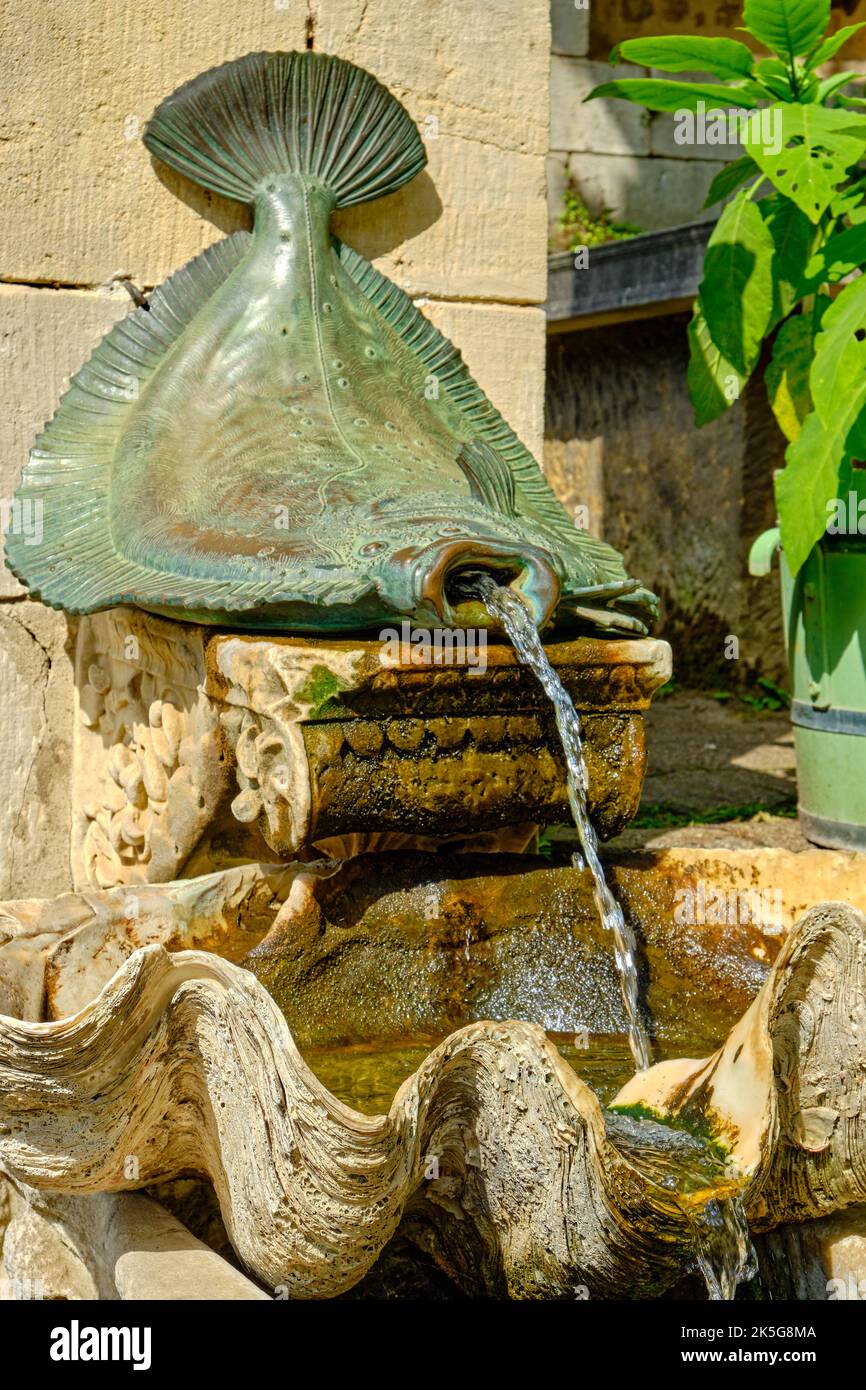
Flatfish and mussel shell, fountain detail, Roman Baths in Sanssouci ...
Learn about its unique design features, cultural significance, and how it has influenced modern bathing experiences. Explore what makes the Roman bathtub a timeless symbol of luxury and relaxation. Visiting the once-forgotten Roman Baths will give you insight into the ancient city's long history, and it is also one of the places in England where you can learn a lot about life, religion, and changes in the society of Roman Britain.

Peter Aicher is an Associate Professor of Classics at the University of Southern Maine and one of the Roman experts who assisted NOVA in the making of the documentary, "Secrets of Lost Empires. The Trevi Fountain is one of the oldest water sources in Rome. The fountain dates back to ancient Roman times, since the construction of the Aqua Virgo Aqueduct in 19 BC that provided water to the Roman baths and the fountains of central Rome.
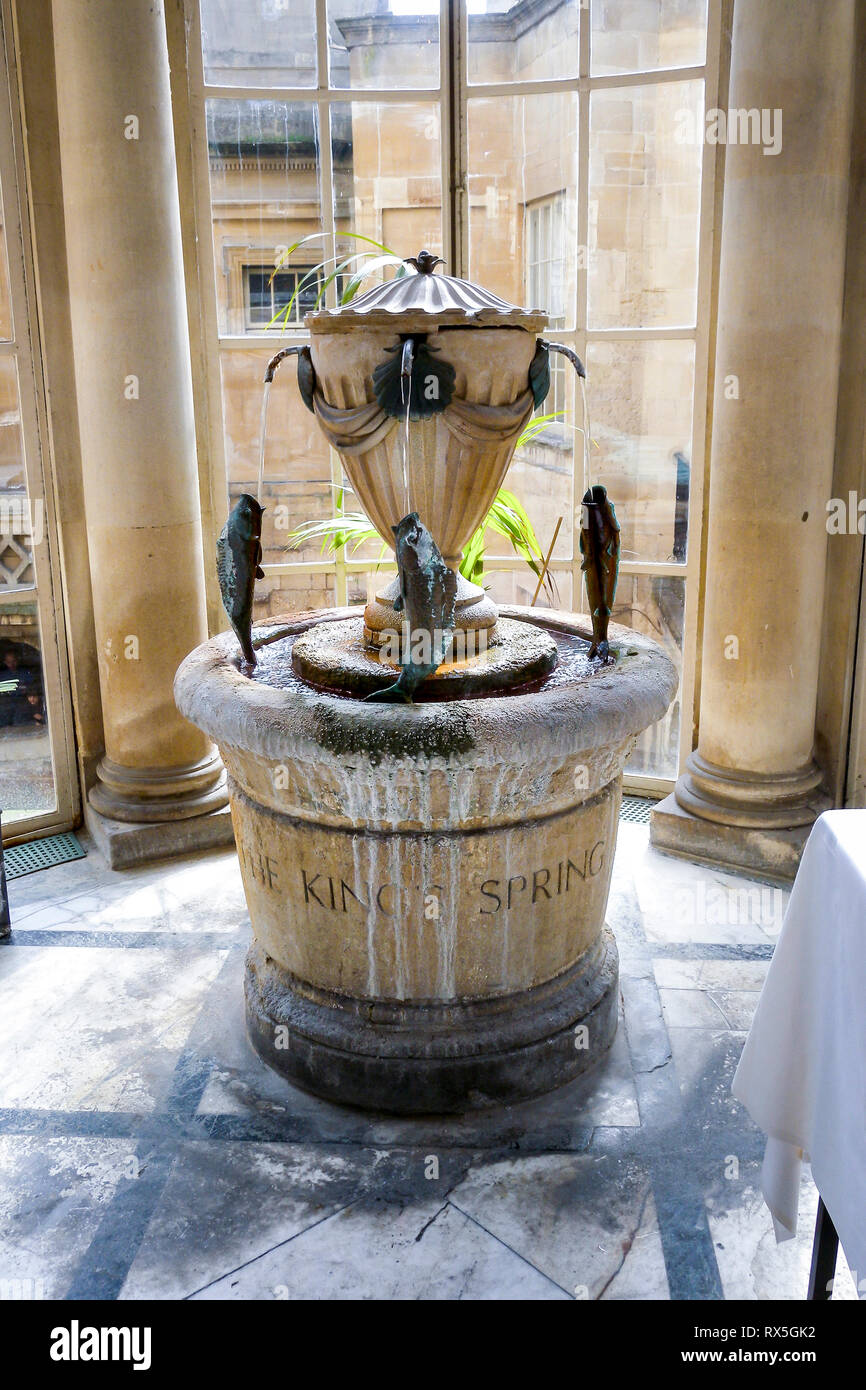
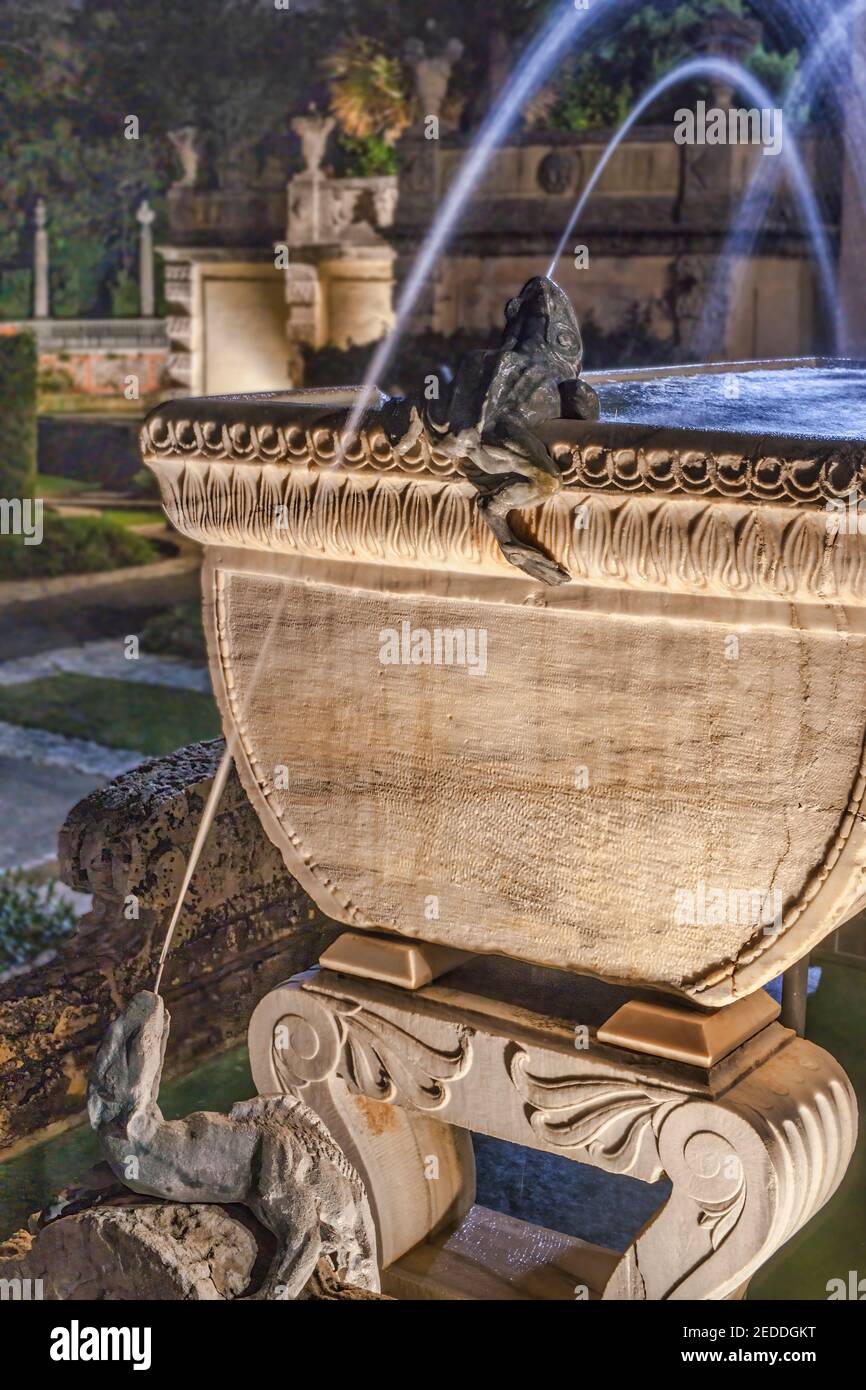
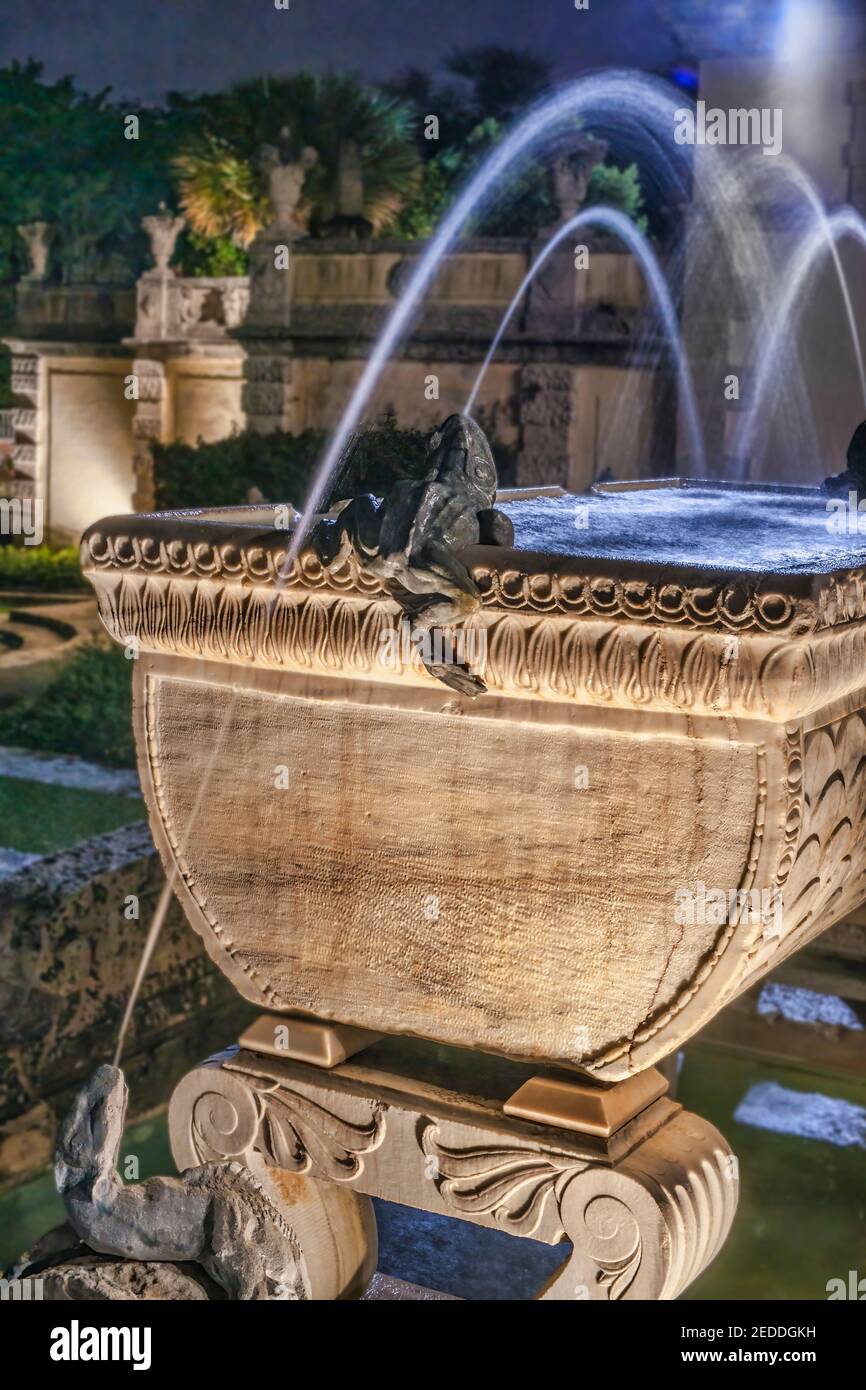
The Roman Bath Fountain on the South Terrace of Villa Vizcaya at night ...
Much like modern day Rome, ancient Rome had a public fountains that carried potable water. Baths that needed to, such as small baths or baths in arid areas, could function with very little water input, keeping water in reservoirs and cisterns. Other baths, in areas where water was more readily available, used a generous supply of water from the aqueducts in order to maintain their stylish displays such as fountains and cascades.