TITLE: Hemlock GroveLEAVE SUGGESTIONSsubscribeBill Skarsgård as Roman GodfreyLandon Liboiron as Peter RumancekAll of the Skarsgård brothers are dreamy.All. The Roman bath, for instance, included a far more complex ritual than a simple immersion or sweating procedure. The various parts of the bathing ritual (undressing, bathing, sweating, receiving a massage and resting), required separated rooms which the Romans built to accommodate those functions.
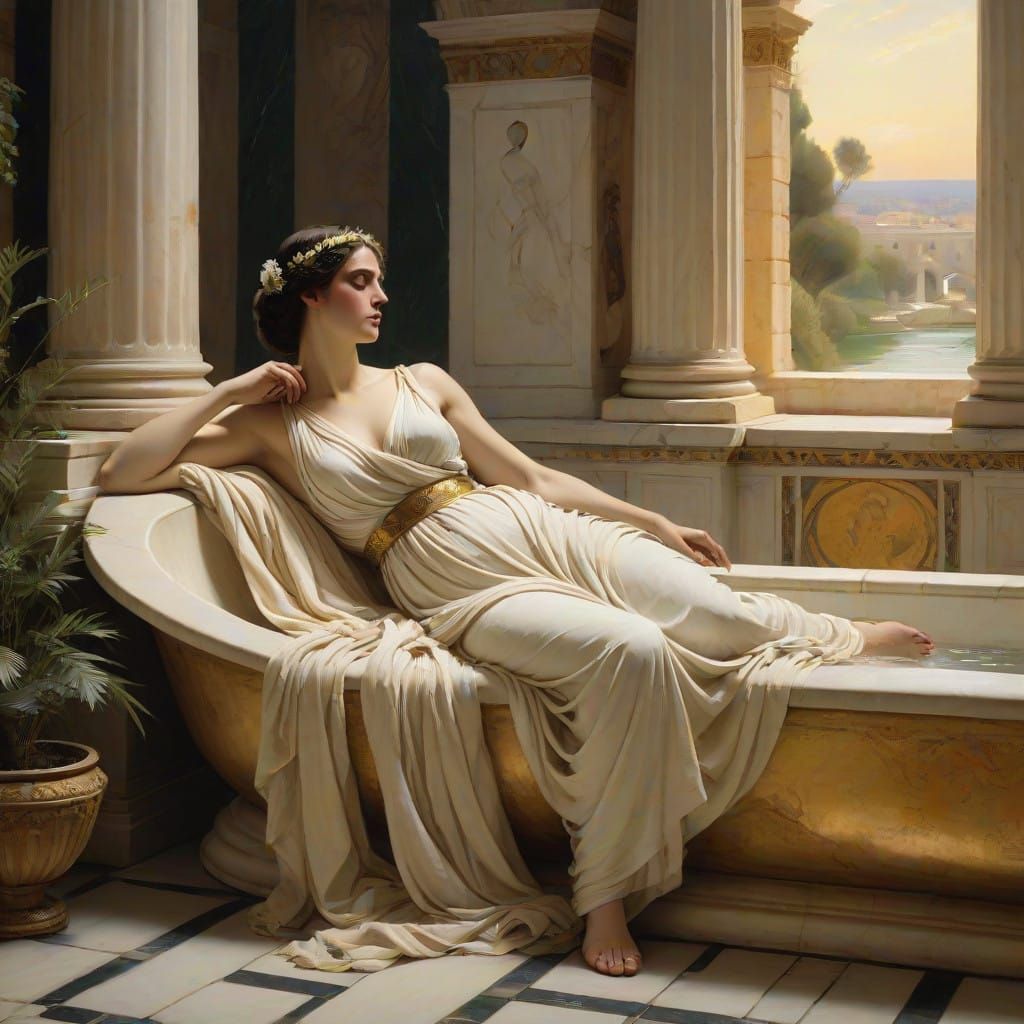
Ancient Roman baths were centers for bathing, exercise, business, and pleasure-essential to daily life, leisure, and social interaction. How the Ancient Romans Went to the Bathroom A new book by journalist Lina Zeldovich traces the management of human waste-and underscores poop's potential as a valuable resource. Roman baths were also renowned for their intricate mosaic artwork.
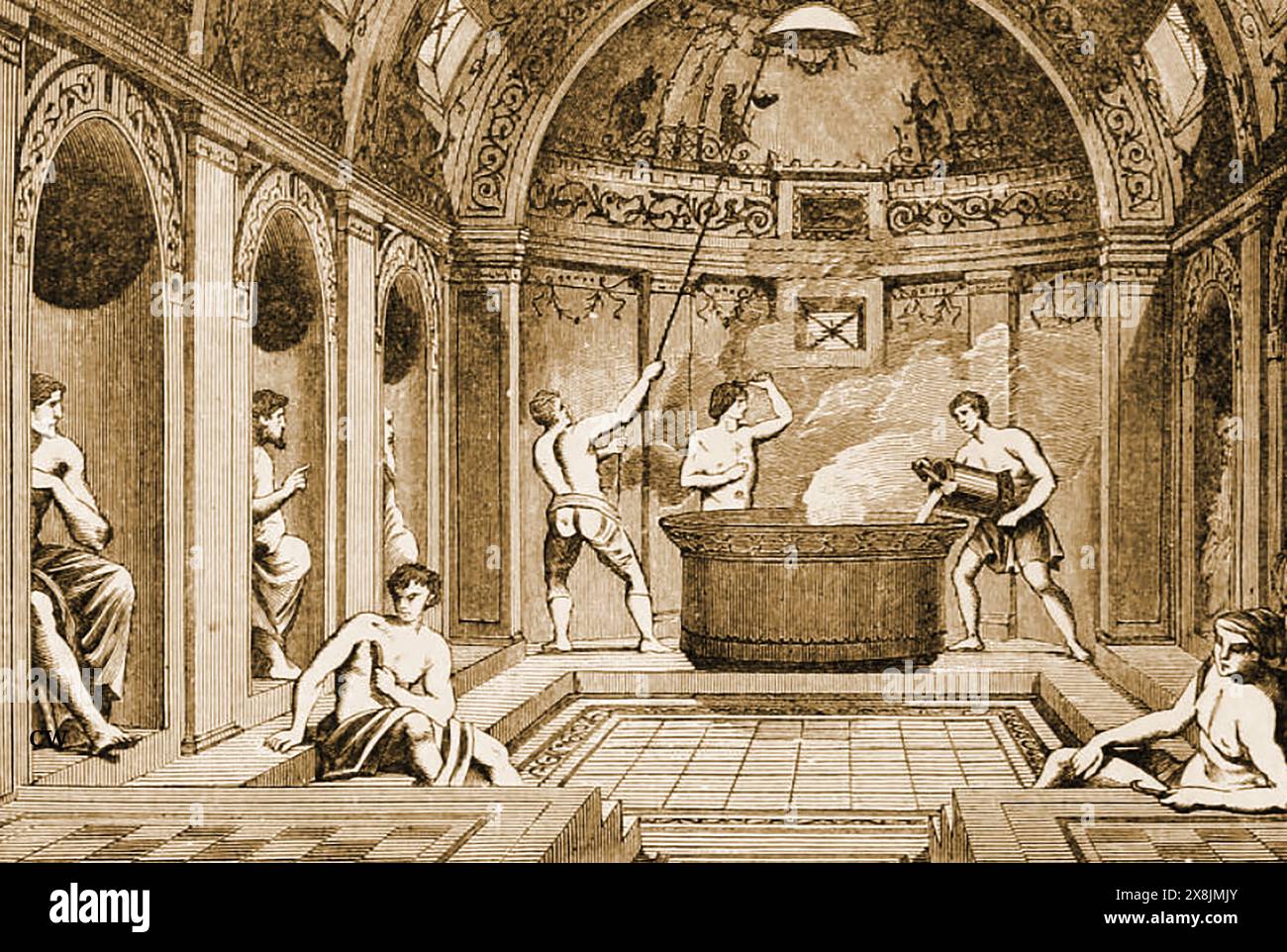
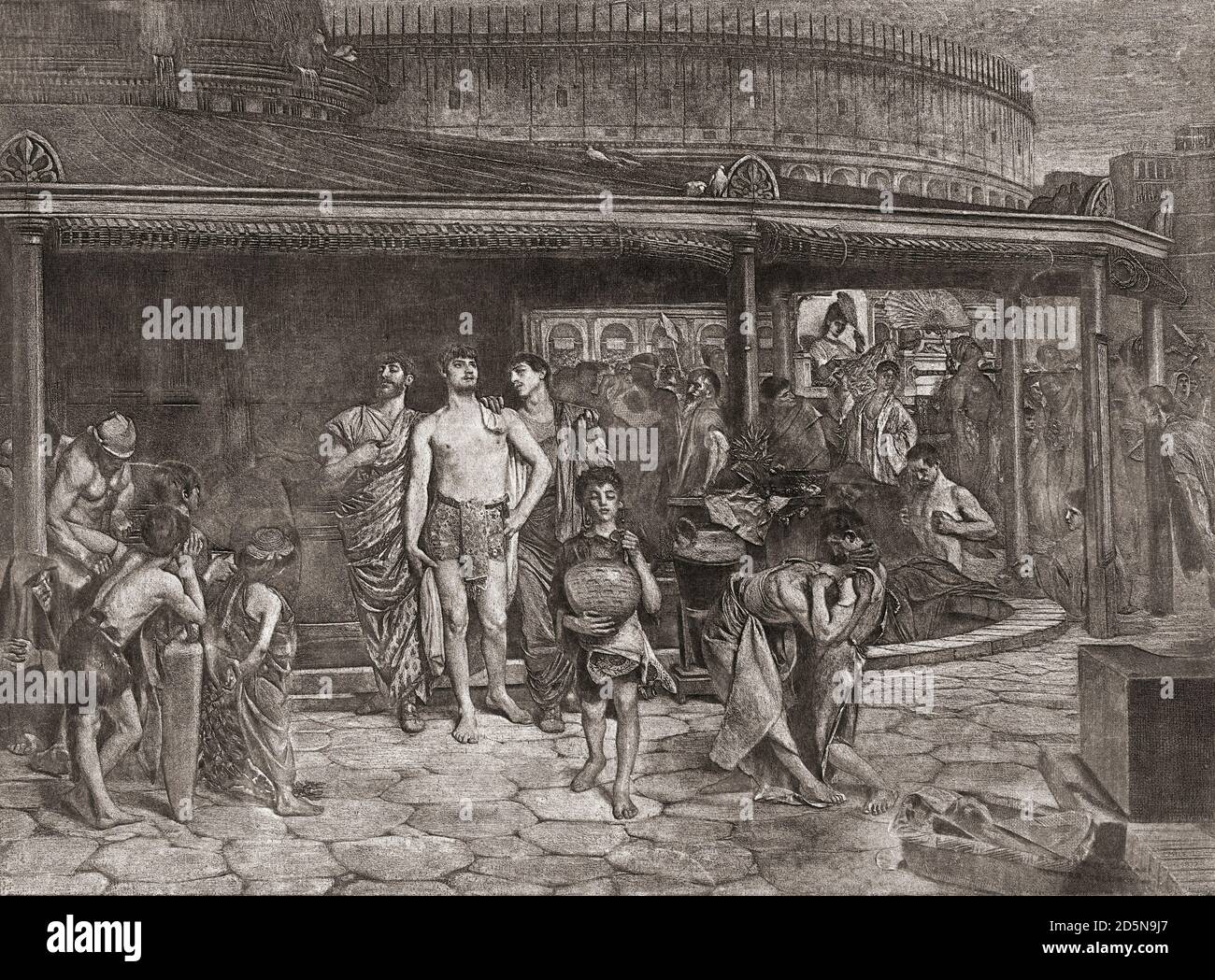
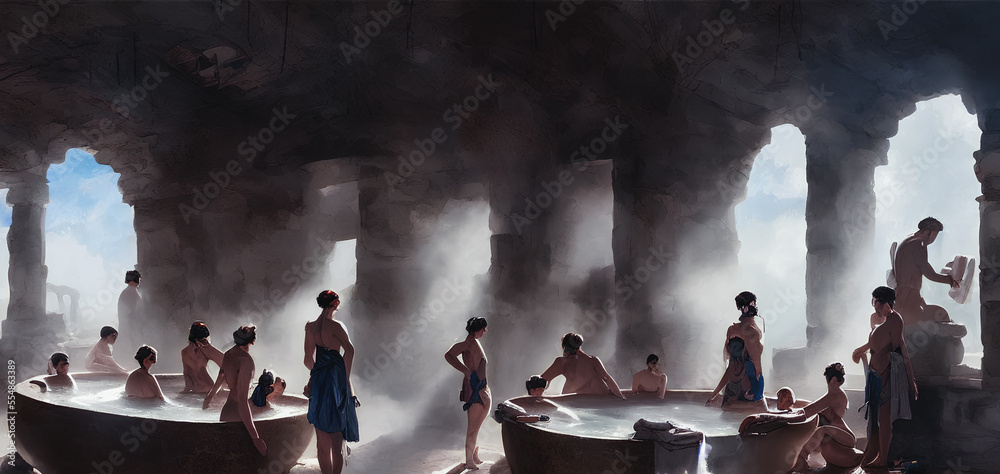
Painting of Ancient roman bathhouse,People wash in the bathhouse ...
Mosaics adorned the floors, walls, and ceilings of the bath complexes, showcasing scenes from mythology, nature, and daily life. The mosaics were created using small colored tiles called tesserae, arranged to form intricate patterns and detailed images. Most residents of Rome took a daily trip to the public baths, where they not only got clean but caught up on the latest news and culture.
The Sewage System of Ancient Rome As we further investigate the complexities of the Roman bathroom, we come across the intricate design of the Roman sewage system. An integral part of the Roman sanitation infrastructure, the sewage system efficiently managed waste disposal, draining bathwater and swamp areas. But what made these sewers so.

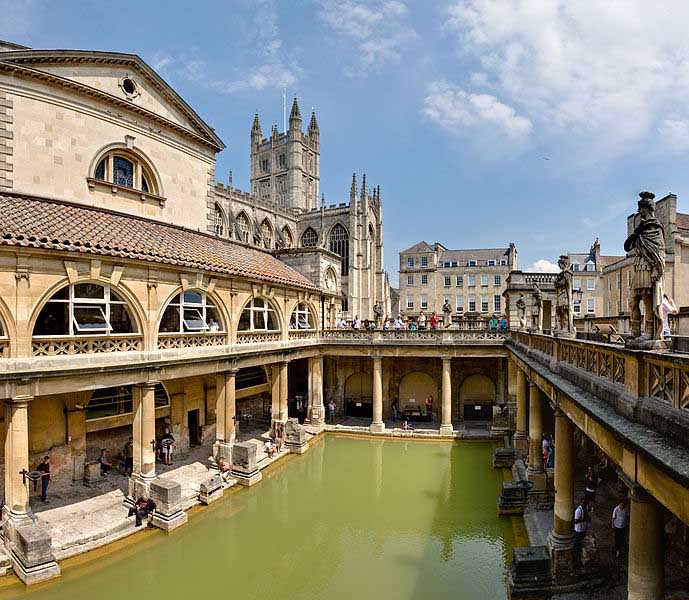
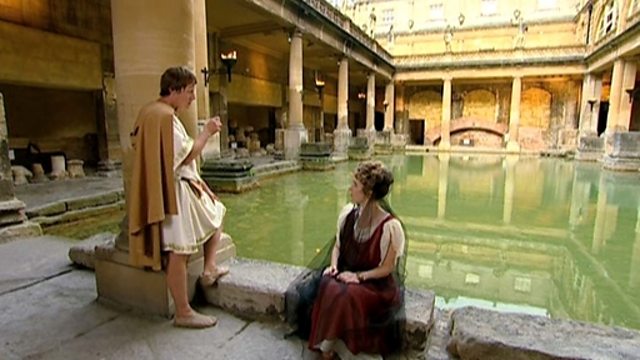
BBC Two - Primary History, Romans in Britain, Roman Relaxation, The ...
Excavations near a temple in Esna, Egypt, uncovered a multi-level bathroom dating to Roman times. In the bathroom, archaeologists found bathtubs, a possible bathing seat and corridors for hot air and water to reach the tubs. Karen/Flickr A Roman bathroom in Ephesus, near present-day Selçuk, İzmir Province, Türkiye.
Known as foricae, Roman public bathrooms were practical facilities where the non-elites could relieve themselves in ancient times. The foricae were open in design, with stone slabs featuring evenly spaced holes for seating. Roman baths were designed for bathing and relaxing and were a common feature of cities throughout the Roman empire.
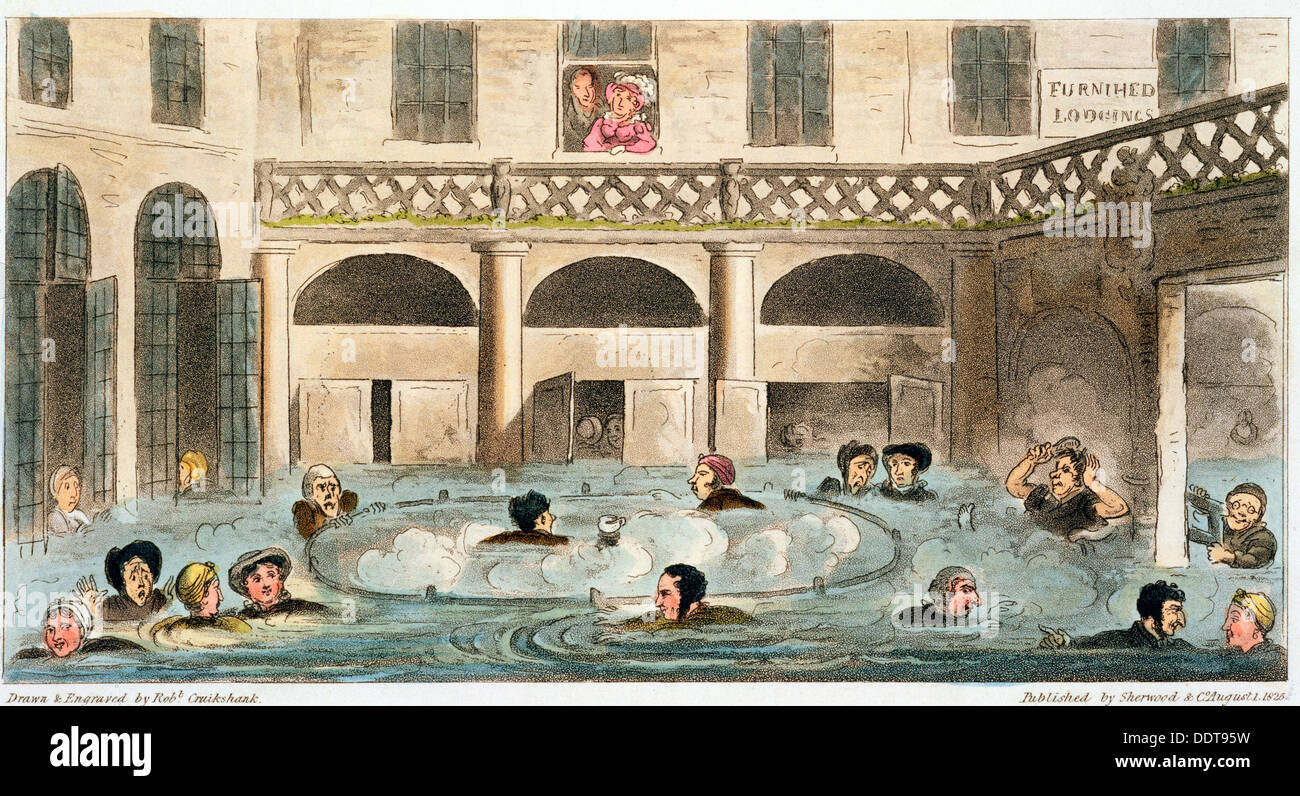
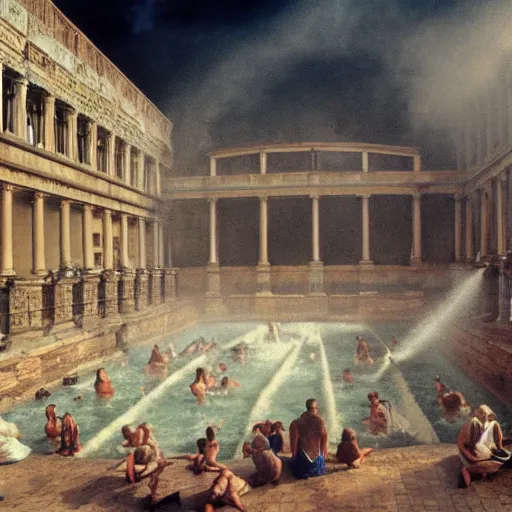
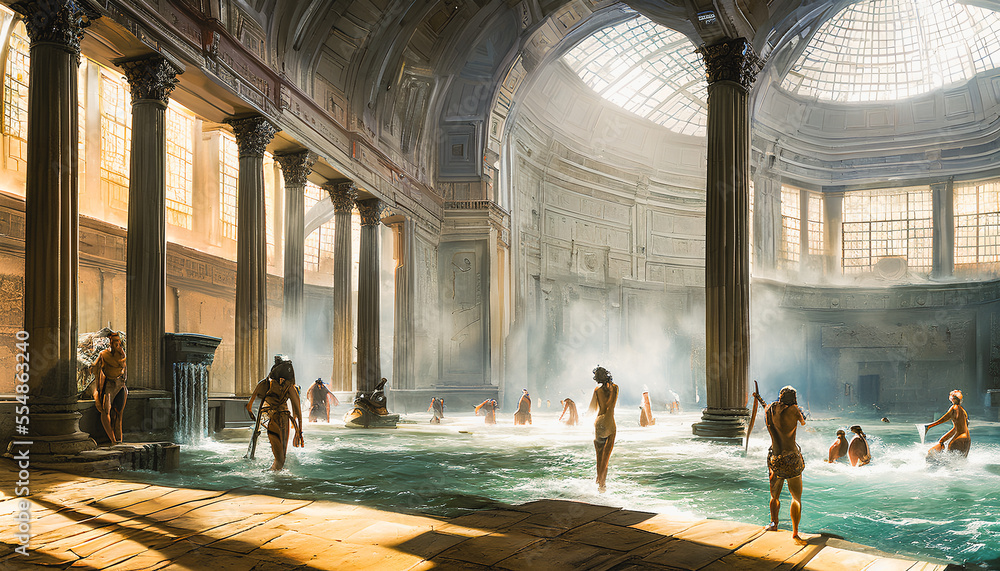
Scene from Roman baths, people washing and frolicking, | Stable Diffusion
Baths included a wide diversity of rooms with different temperatures, as well as swimming.