Chest infections can be caused by a viral or bacterial infection, and they can be mild, moderate, or severe. In many cases, you may be able to ease symptoms with home remedies while you wait for. Learn about the use of antibiotics for treating chest infections and their effectiveness in clearing bacterial infections in the lungs.
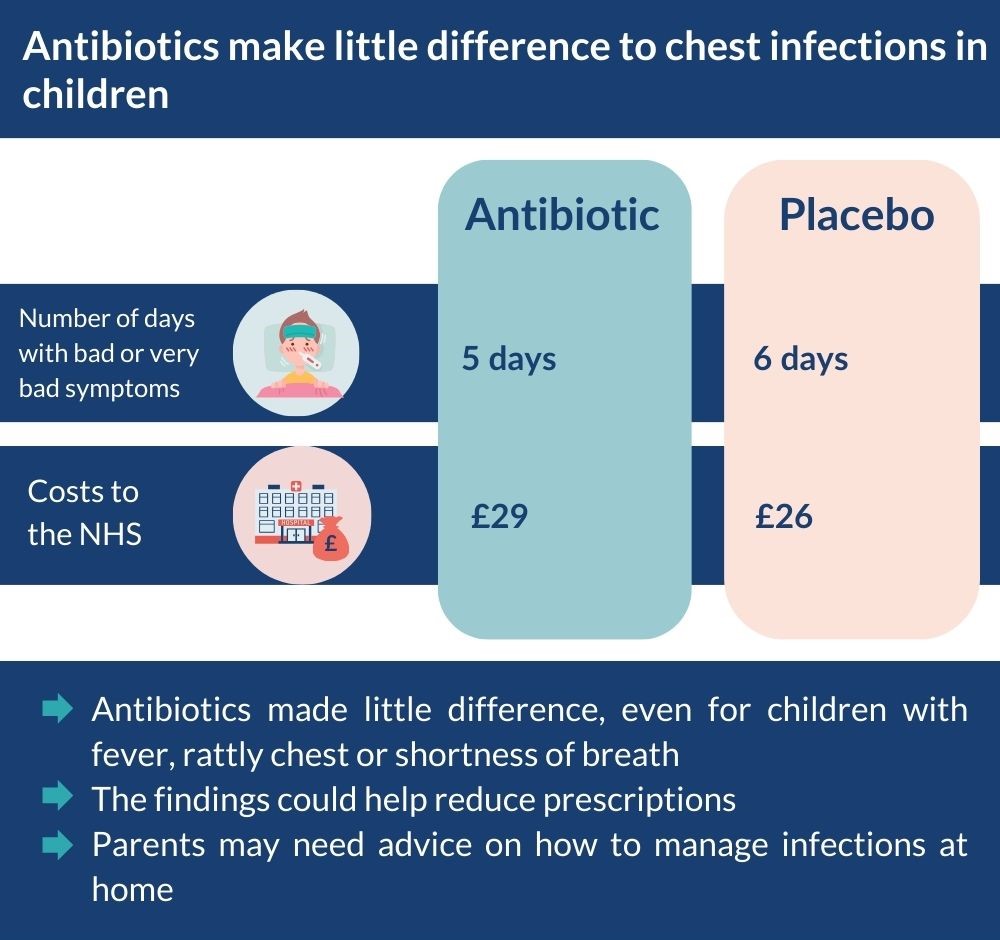
There are several types of chest infections, including bronchitis, pneumonia, and tuberculosis. about the symptoms and treatment options in this article. Read about chest infections, including the symptoms, what you can do to treat it yourself, and how a pharmacist and GP can help.
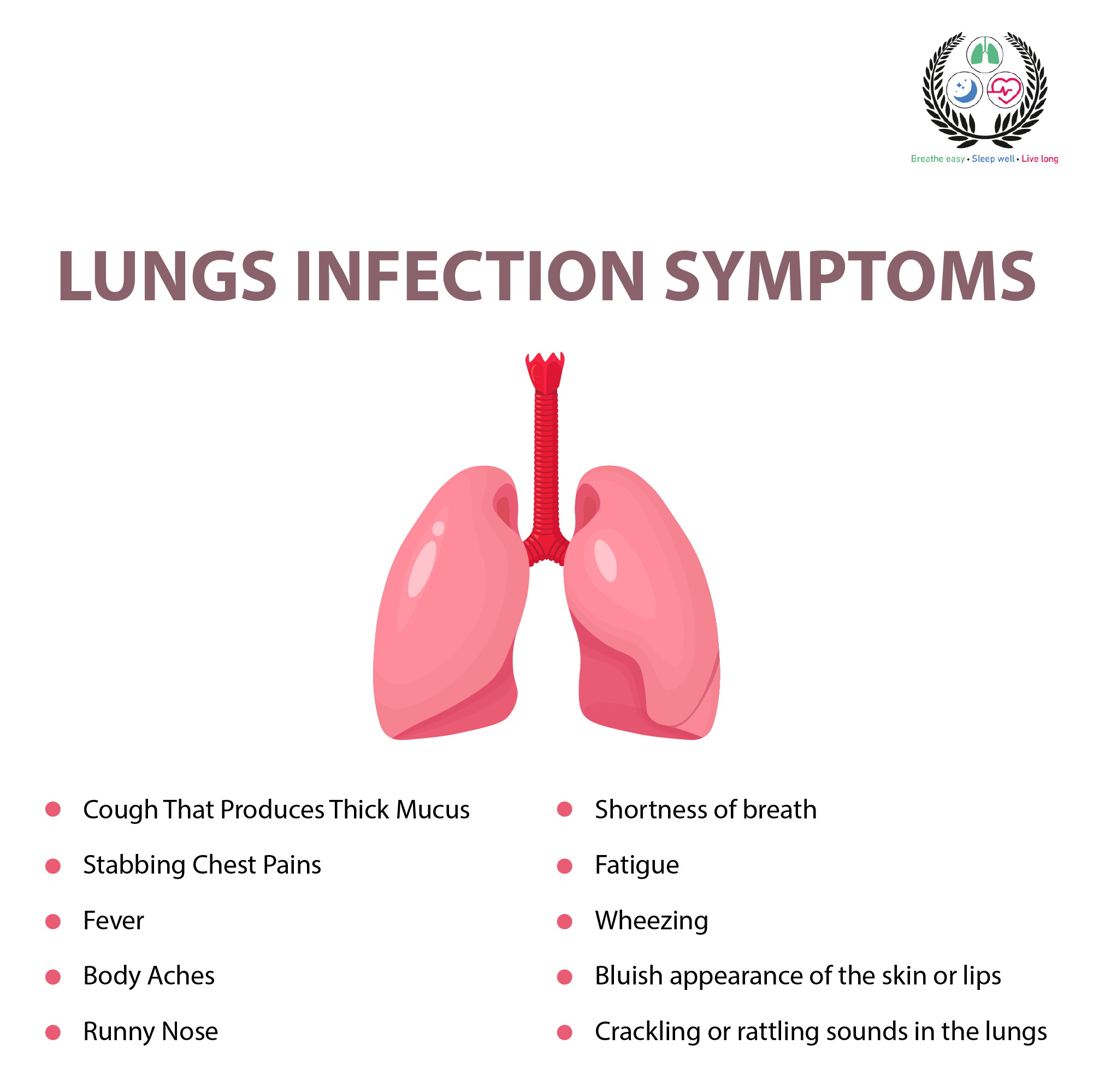
Lung Infections Demystified: Types, Symptoms, Treatment
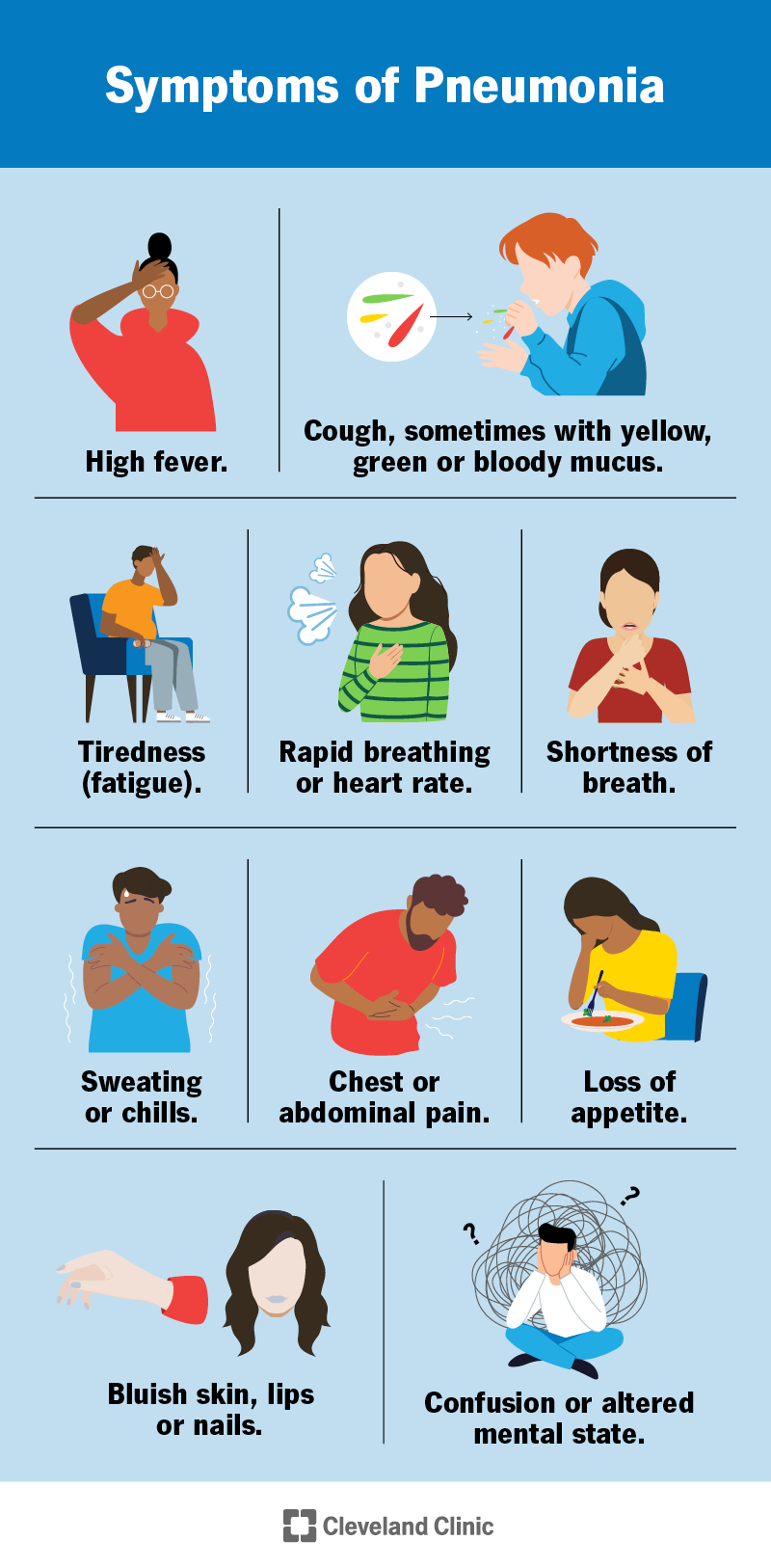
A chest infection will usually get better on its own in about 7 to 10 days. Lung infections include pneumonia and other viral or bacterial pulmonary infections that cause coughing, mucus, and fever. Learn about common infections and how to treat them.

A chest infection is an infection of the lower large airways and lungs. A chesty cough, shortness of breath, and fever are among common symptoms. In comparison, lower airway infections include bronchitis, asthma exacerbations, bacterial pneumonia, chronic obstructive pulmonary disease (COPD), and tuberculosis.For bacterial chest infections, antibiotics like Lymecycline may be prescribed by your doctor.
:max_bytes(150000):strip_icc()/GettyImages-1213857828-26e84a4d10ab4b4fa2974c3150e40e4f.jpg)
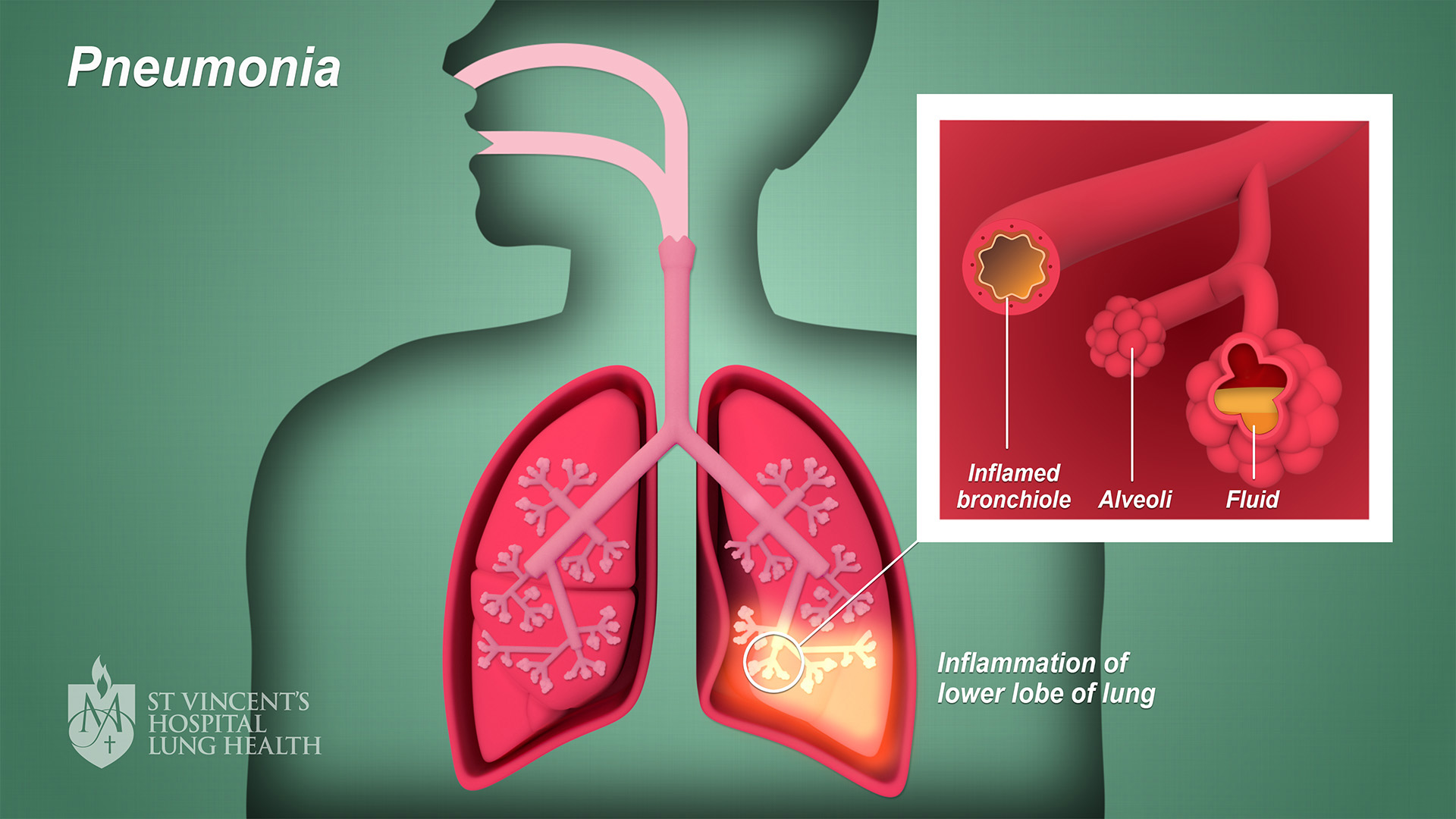
Pneumonia - St Vincent's Lung Health - Borderless News Daily
This antibiotic is commonly used to treat conditions such as chest infections, acne, and certain types of bacterial infections, helping. Learn about the symptoms and causes of chest infections. This guide also discusses how to treat a chest infection, when to contact a doctor, and more.
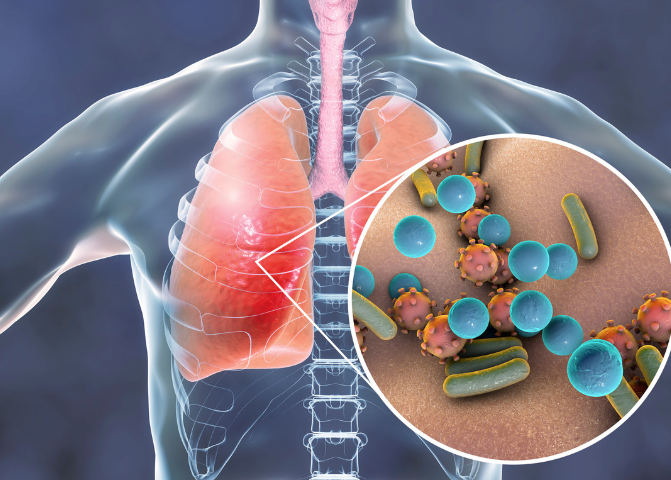
Chest and lung infections encompass a range of conditions affecting the respiratory system, from mild bronchitis to severe pneumonia. Caused by bacteria, viruses, or fungi, these infections can lead to symptoms like cough, fever, and difficulty breathing. A chest infection can affect your windpipe, bronchi (the tubes taking air into the lungs), or the deeper parts of your lungs.

Pulmonery Lung Infections and the Respiratory System
The infection causes the affected part of the lung to become inflamed, which in turn can cause a buildup of fluid or mucus, sometimes making it difficult to breathe. Chest infections can be caused by viruses or bacteria.
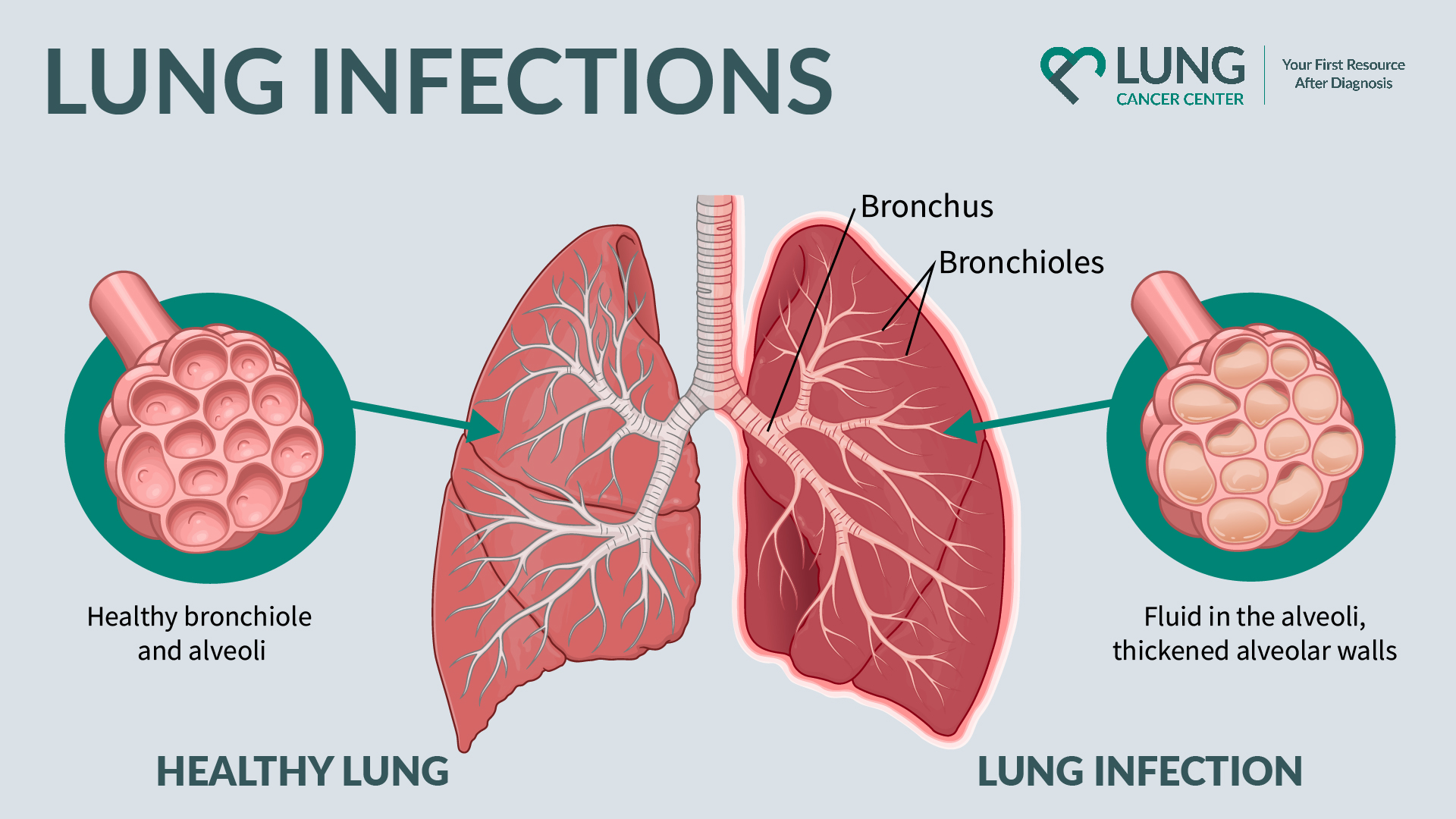


:max_bytes(150000):strip_icc()/lung-infection-5181440-color-FINAL-ae768a1012a644f18569a5be2fb89c8f.jpg)