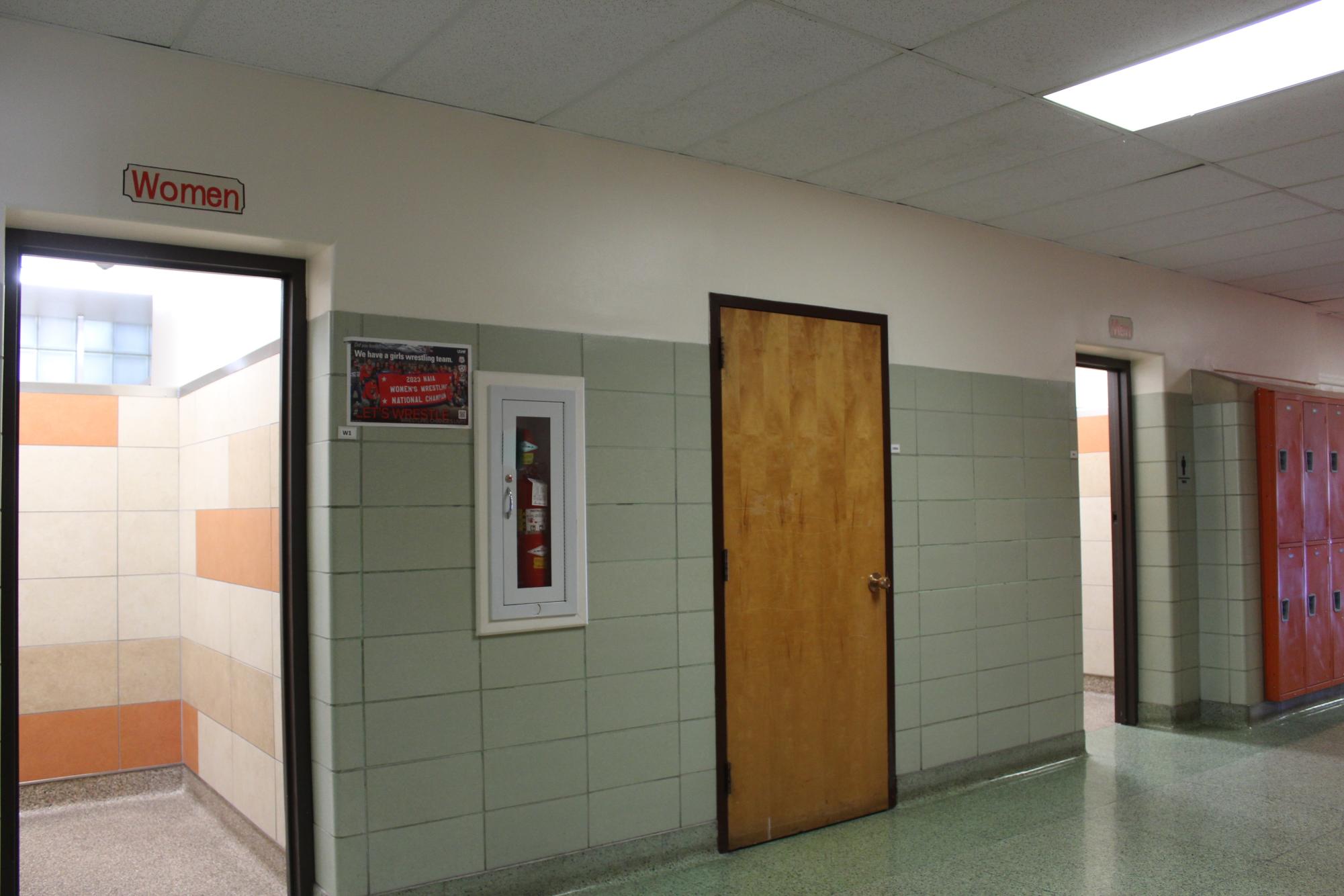
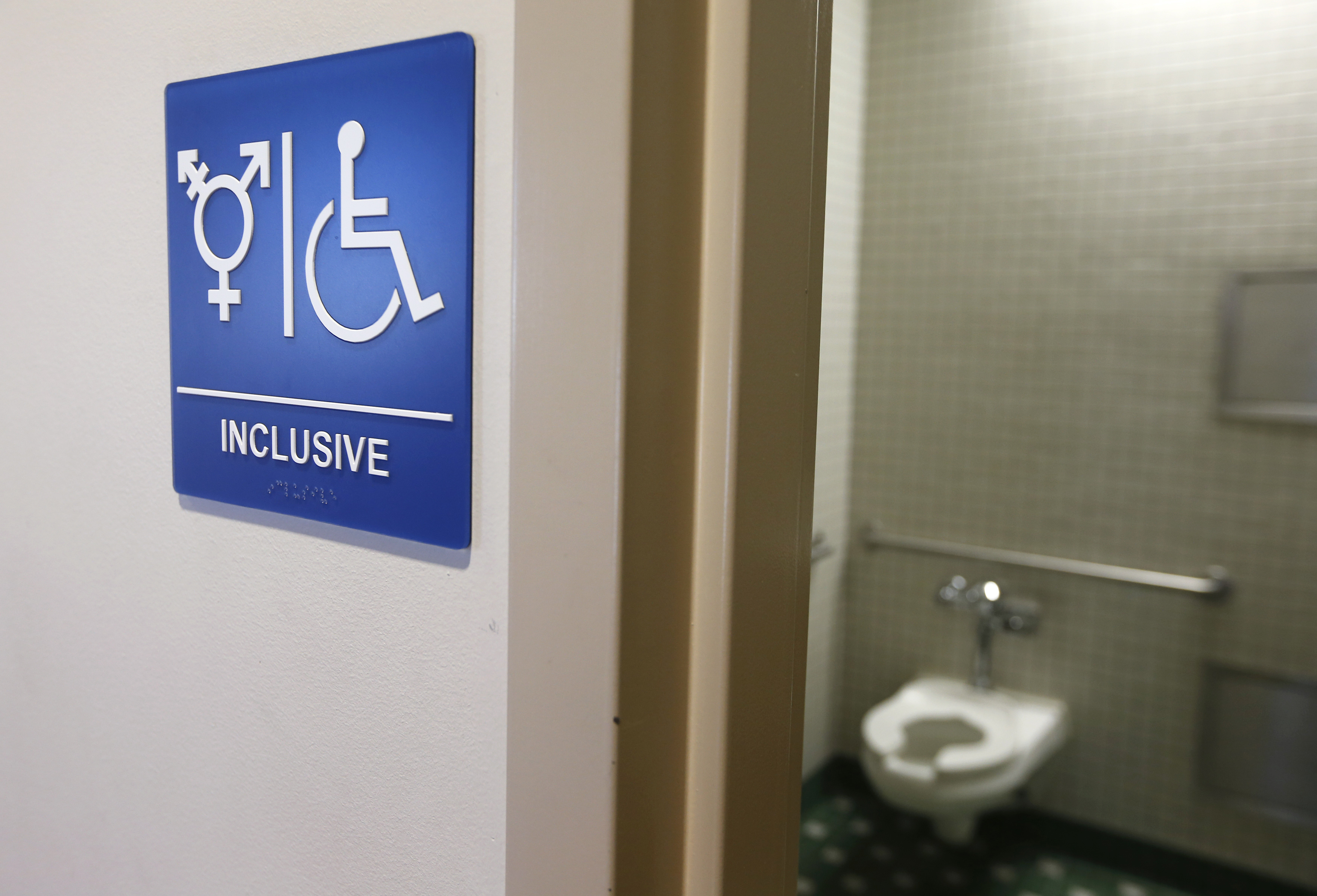
Why Do We Have Men's and Women's Bathrooms Anyway? 5 minute read Unisex signs hang outside bathrooms at Toast Paninoteca on May 10, 2016 in Durham, North Carolina. In addition, state and municipal building codes carry specific regulations that determine the number and type of bathrooms, including male and female facilities. In fact, in much of the U.S., these codes make it illegal to offer only unisex restrooms.
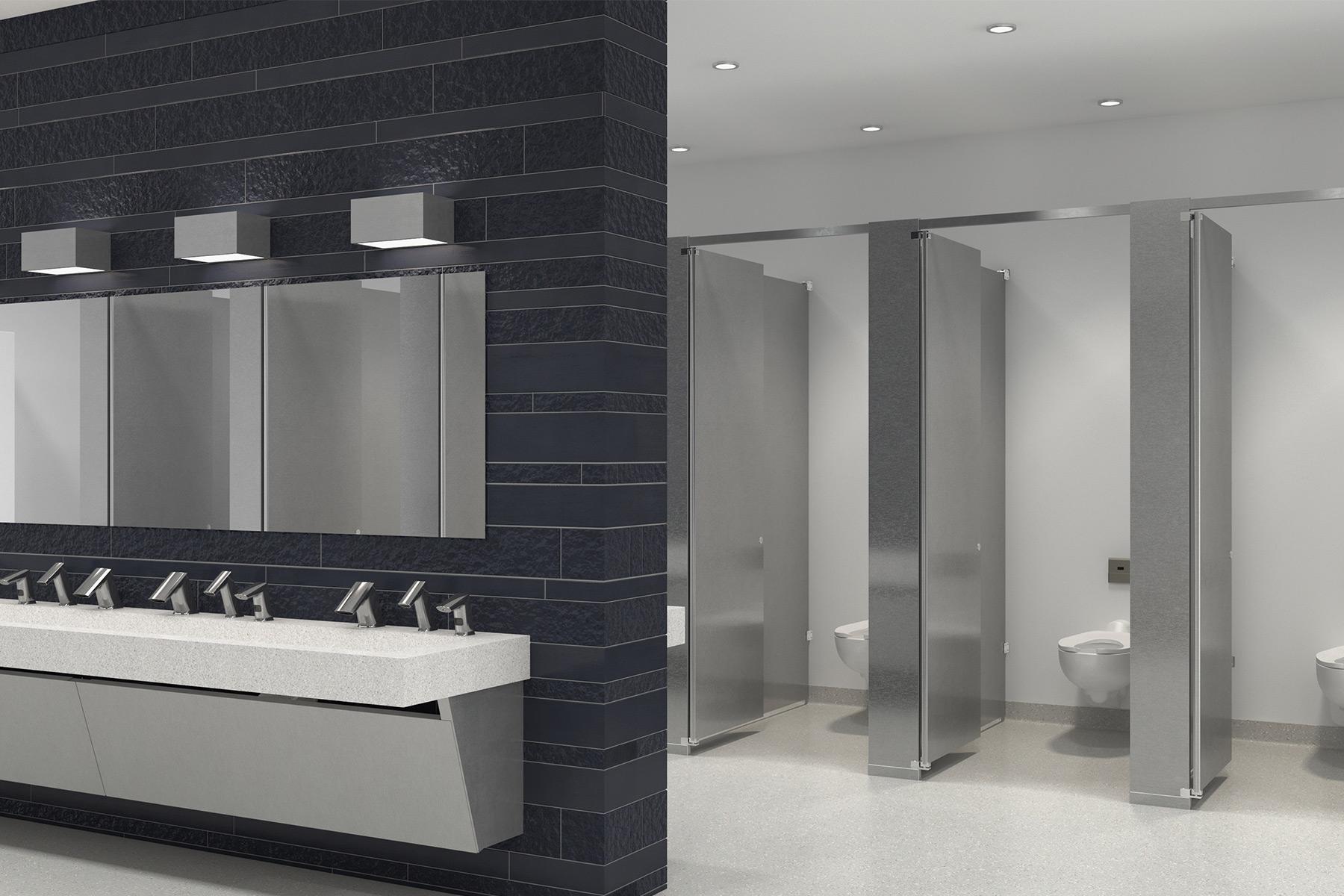
But times are changing. There were ladies-only waiting rooms in train stations, and female-only reading rooms in libraries. As sex segregation has fallen to the wayside in other public spaces, bathrooms remain the last.

The Weird History of Gender-Segregated Bathrooms | Live Science
The separation of bathrooms by gender has long been a common practice, sparking debate and discussion. While some argue that it is outdated and reinforces gender stereotypes, others believe that there are valid reasons for this division. By exploring the historical, cultural, and practical aspects surrounding the separation of bathrooms, we can gain a better understanding of why this practice.
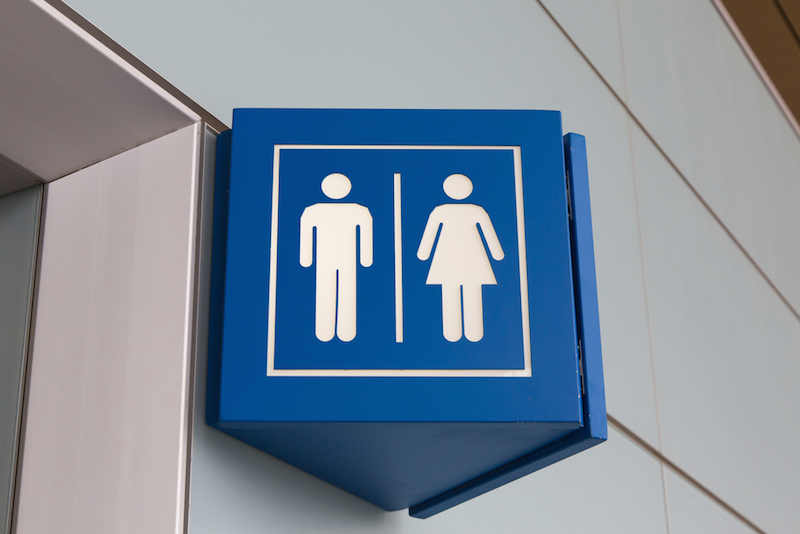
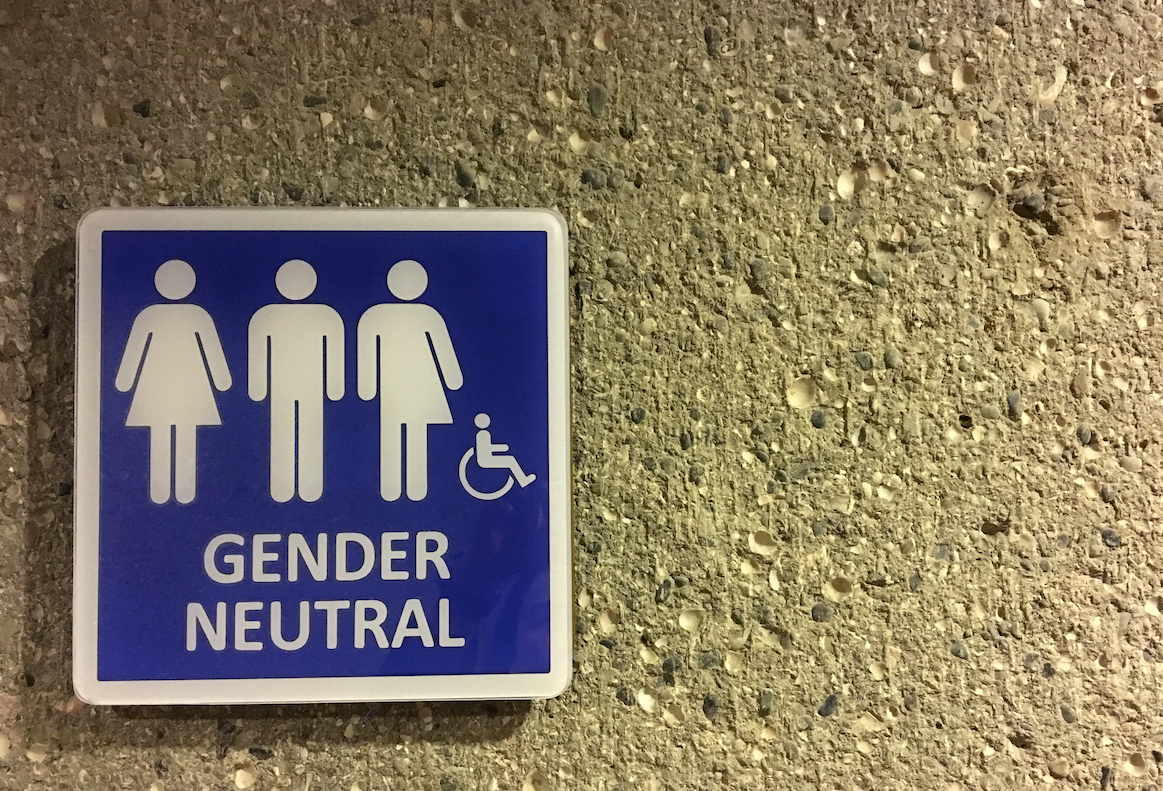
Keep separate male and female facilities. Gender neutral bathrooms alongside the standard male and female bathrooms are a very good idea. They work for almost everyone.
![[gendered] it's just one individual bathroom! why even make a men/women ...](https://i.redd.it/q163x2rvkkna1.png)
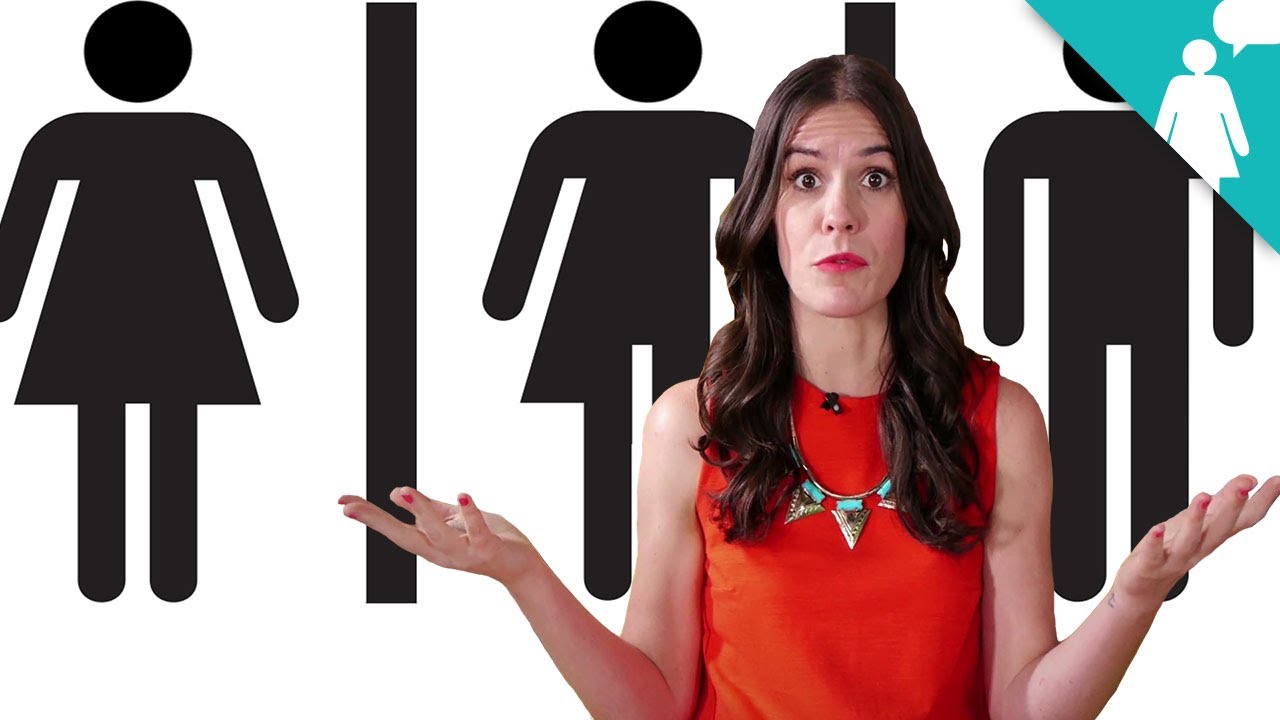
Why Men & Women Use Separate Bathrooms - YouTube
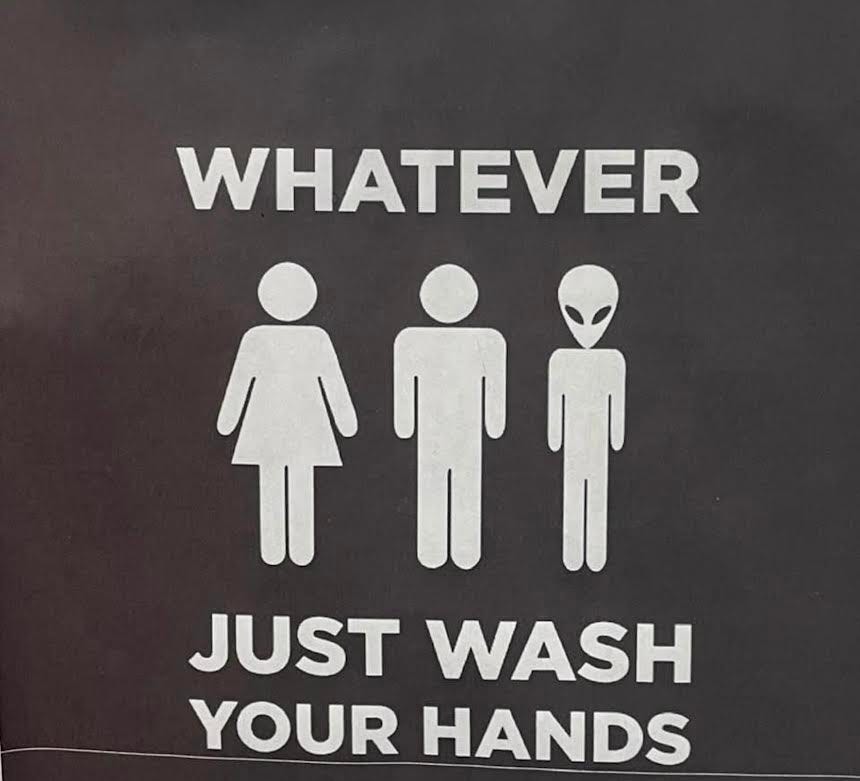
Making a gender inclusive restroom the only restroom in an office will almost certainly make many users uncomfortable. (Ally McBeal played this discomfort for laughs, but in real life few people will find it funny.). By eliminating the traditional binary designation of male and female restrooms, gender.
One ad in the campaign showed a young girl being followed into a bathroom by an older man. Another ad emphasized the risk of having registered sex offenders in bathrooms with women and girls. For thousands of years, bathrooms have been separated by sex-male and female.
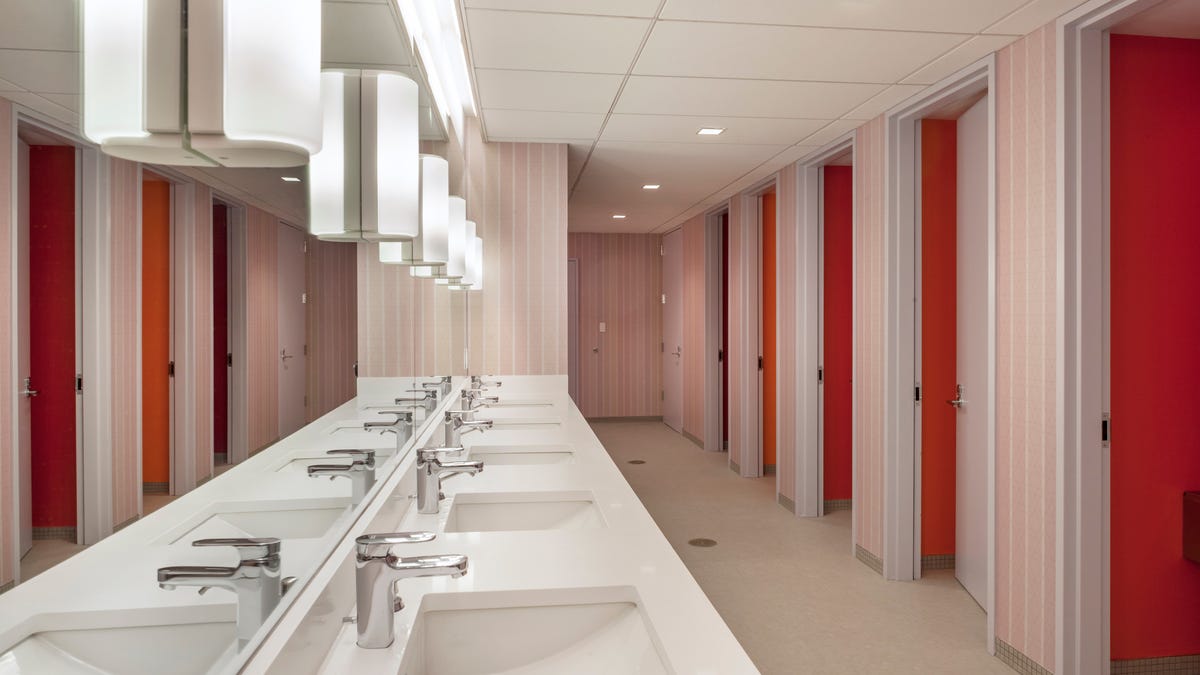
Why Do We Have Men’s and Women’s Bathrooms Anyway?
In fact, for most of human history, there has been a universal understanding that only male and female sexes existed. It was not until the twentieth century that the notion that there could be more than two sexes was popularized and the term "transgender" was introduced to society. By the mid-2010s, the idea.

Why are gender-neutral bathrooms important? Gender-neutral bathroom facilities can provide a safer and more welcoming space to someone who may be transgender or may not identify with the male or female gender binary, by which public restrooms are often divided.